01 / AIHerba® · Supply chain & traceability
From Farm to Finished Ingredient: Botanical Supply Chain & Batch Traceability
Know the material, follow the lot, and connect the delivered ingredient to its supporting evidence.
AIHerba®, a brand of Shaanxi Zhonghong Investment Technology Co., Ltd., supplies standardized botanical extracts and bulk functional ingredients for food, beverage, nutraceutical and cosmetic manufacturers. With a company-operated manufacturing facility in China, we support product-specific sourcing, batch documentation and commercial procurement. Traceability connects the origin and processing information available for the selected grade with the lot supplied.
For R&D & Formulation
Confirm source, species, plant part, processing route and composition before qualifying a grade.
For QA & Procurement
Define the origin evidence, batch records, document scope and delivery requirements needed for approval.
02 / Raw material sourcing
Verify the Origin Before Qualifying the Ingredient
A botanical name alone does not identify the material. Species, plant part, geographic origin, supplier lot and processing history can affect composition and quality. Agree on the depth of origin evidence needed before selecting a commercial grade.
Botanical identity
Specify the Latin binomial and plant part. Review identity records and appropriate authentication evidence.
Species · plant part · identity
Origin & supplier records
Distinguish the raw material origin, country of manufacture and legal supplier. Farm or harvest records may be requested when available.
Country · supplier lot · harvest
Incoming lot acceptance
Match incoming identifiers to the approved material specification and relevant risk-based results before use.
Material status · acceptance criteria · lot
Country of origin is not the same as farm-level traceability.
A country-of-origin statement, supplier lot record and farm-level harvest record provide different levels of evidence. Confirm the requested granularity and available records for the specific grade; not every ingredient has farm-level records.
03 / Traceability chain
Connect Source Lots to the Finished Ingredient and Shipment
A useful traceability system links identifiers across material receipt, processing, finished-lot release and distribution. The following is a buyer review model for the proposed supply, not a display of actual AIHerba batch records.
- Source lotSupplier lot and origin evidence.
- ReceiptIncoming identifier and material status.
- ProcessingLink input lots to the relevant production record.
- StandardizationRecord intermediate lots and blend inputs, where applicable.
- Finished lotAssign and identify the released ingredient lot.
- Quality evidenceMatch COA and specification to the lot.
- PackingCheck lot marking and package identity.
- DispatchConnect delivered lot, quantity and shipment records.
| Record point | Illustrative identifier | Link to verify |
|---|---|---|
| Incoming material | RM-EXAMPLE-A / B | Supplier lot and receipt record |
| Processing | RUN-EXAMPLE-01 | All contributing input lots |
| Finished ingredient | FG-EXAMPLE-01 | Processing / blending record and release |
| Shipment | SHIP-EXAMPLE-01 | Finished lot, quantity and customer order |
Many-to-one and one-to-many links matter.
A blended batch may contain multiple incoming lots, and one finished lot may be divided across shipments. Records should preserve these relationships so an affected lot can be identified without assuming every lot has a single source.
04 / Product-specific sourcing
Different Ingredient Sources Require Different Evidence
Farm-to-finished tracing applies most directly to plant-derived materials. Fungal, fermentation-derived and isolated compounds require source and process records that fit their actual route.
| Material type | Evidence to review | Avoid assuming |
|---|---|---|
| Botanical extract | Species, plant part, origin, DER, extraction solvent, carrier | All material originates from one farm |
| Mushroom fruiting body | Species, cultivation source, fruiting-body declaration, relevant assay | Fruiting body and mycelium are interchangeable |
| Fermentation-derived ingredient | Organism or culture information where relevant, substrate, manufacturing-route declaration, identity and assay | A purity result alone proves fermentation origin |
| High-purity isolated active | Starting material or route declaration, identity, impurity profile, assay basis | Chemical purity establishes botanical origin |
| Standardized blend or premix | Component identities, composition, contributing lots, carrier and blend specification | A single marker assay verifies every ingredient |
Examples of buyer decisions
For L-theanine, a fermentation-source requirement calls for process evidence in addition to assay. For mushroom materials, establish whether the ingredient is derived from fruiting body or mycelium before interpreting beta-glucan or marker results.
05 / Supply chain risk
Risk-Based Verification at the Right Stage
Traceability and testing serve different purposes: tracing identifies where a lot came from and where it went; testing evaluates specified quality attributes. A documented origin is not a substitute for appropriate analytical evidence.
Identity & substitution
Review botanical identity, plant part and potential substitution using suitable records and analytical methods.
HPTLC · fingerprint · identity
Agricultural residues
Agree on pesticide, mycotoxin and elemental contaminant scope based on material and destination.
MRLs · ICP-MS · LC-MS/MS
Process-related risks
Review solvents, carriers, allergens and relevant cross-contact considerations for the selected grade.
Residual solvents · composition
Handling & storage
Consider moisture, package integrity, storage conditions and shipment exposure that may affect stability.
Storage · lot markings · packaging
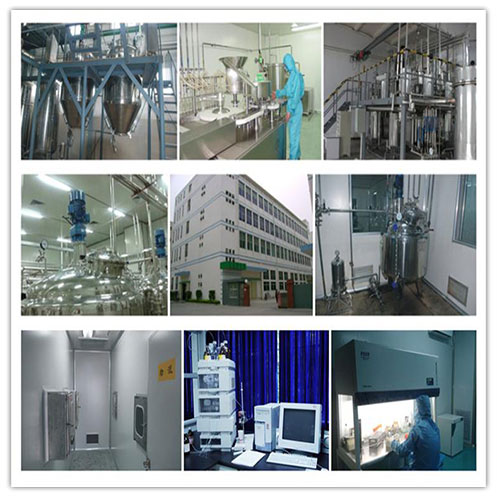
Processing records complement origin evidence
Manufacturing can change concentration, composition and physical properties. Review the relevant processing route and lot linkage, then confirm the finished-grade acceptance criteria.
Acceptance is based on applicable criteria.
A result below a method’s detection or quantification limit is not proof of absolute absence. Relevant limits, test methods and reporting units should be agreed for the intended market and application.
06 / Evidence & procurement
Build a Traceability Documentation Package
Request documents for the actual product and batch being purchased. A generic certificate or a representative COA may help initial screening but does not establish the identity of a future shipment.
| Document | What it helps establish | Review point |
|---|---|---|
| Specification / TDS | Agreed grade and composition | Marker, method, source and physical criteria |
| Batch COA | Reported results for an identified lot | Lot number, dates, results, method and basis |
| Origin / source declaration | Declared country or material source | Distinguish raw material and manufacturing origin |
| Manufacturing-route declaration | Relevant process and source information | Fermentation, extraction or other route as applicable |
| Traceability summary | Connection between relevant lot identifiers | Agree on granularity and confidentiality |
| Allergen / GMO / other declarations | Product-specific composition or status | Scope, basis, version and intended use |
| Invoice, packing list and lot identification | Commercial shipment and delivered material | Reconcile quantity, grade and lot markings |
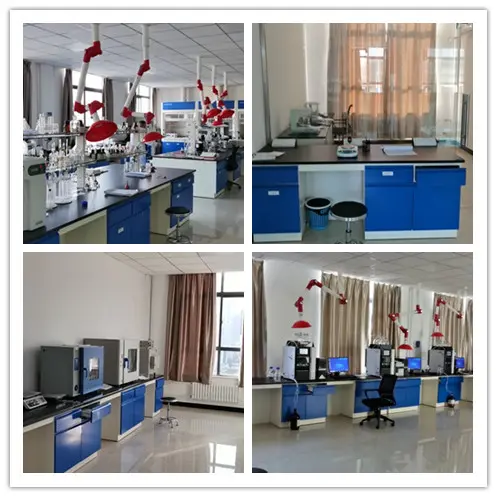
Match the COA to the material you receive
Check the lot number on the package against the supplied report. A test report for a different lot should not be treated as evidence for the delivered lot. Additional chromatograms or independent testing may be discussed when relevant.
07 / Continuity & accountability
Manage Source Changes and Repeat-Order Consistency
Repeat purchasing depends on the agreed grade, not just the product name. A change in origin, plant part, carrier, processing route or test method may affect how the ingredient performs or how the buyer qualifies it.
Change assessment
Define material, source, composition and method changes that need review or buyer notification under the agreed quality terms.
Batch comparison
Compare relevant results using equivalent methods, units and reporting basis. Evaluate physical performance in the intended formulation.
Complaint & lot investigation
Provide the delivered lot, order reference, issue description and available evidence to help scope an investigation.
Agree on notification and disclosure before the order.
Discuss approval requirements, access to records, retained samples, investigation responsibilities and any recall-related information exchange in the quality agreement. Farm identity, supplier names and proprietary records may require controlled disclosure. Do not assume a fixed notification or investigation timeline without agreement.
08 / Buyer questions
Frequently Asked Questions About Ingredient Traceability
Practical questions for procurement, formulation and supplier qualification teams.
Can every ingredient be traced back to a specific farm?
Not necessarily. Traceability depth depends on the material, sourcing route and available records. Specify whether your team requires country, region, supplier lot or farm-level evidence before placing an order.
Does an origin declaration prove that a product is natural or fermentation-derived?
No. Origin and process claims need appropriate source and manufacturing evidence. An assay alone generally does not distinguish the production route.
Can we request a COA before placing a bulk order?
Ask for the available batch-specific COA or a representative report for initial review. Confirm which lot is allocated to the order and review the corresponding final documents.
Can we specify pesticide or heavy metal limits?
Yes, proposed limits can be evaluated for feasibility, method, reporting units and target market. Additional tests and acceptance criteria should be agreed before supply.
How do you handle a change in source for a repeat order?
Discuss the grade-specific change notification and approval requirements in advance. Where a change is proposed, review its impact on specification, documents and application performance.
Can we receive farm, supplier or production records?
Share the level of traceability required for your qualification. Available records and any controlled disclosure arrangements can be discussed for the specific project.
09 / Global B2B procurement center
Request Origin, Batch & Supply Chain Documentation
Tell our team the ingredient, target specification, application, market and required traceability depth. We can review the appropriate grade, available evidence, evaluation sample options and bulk supply terms.
Material brief
Product name, species or chemical identity, target assay and intended application.
QA evidence brief
Required source level, COA, process declaration, limits and quality agreement requirements.
Commercial brief
Estimated quantity, destination, packaging and delivery terms.
References
- FAO — Traceability & recalls — General traceability and withdrawal principles.
- FDA — Dietary Supplement CGMP Small Entity Compliance Guide — Component identification and records in the dietary supplement manufacturing context.
- FDA — Current Good Manufacturing Practices for Food and Dietary Supplements — Distinction between applicable food and dietary supplement manufacturing frameworks.
These references describe general or sector-specific frameworks. Their applicability depends on the product, activity and market; they do not establish certification, regulatory approval or compliance for a particular AIHerba ingredient.
Documentation, testing, samples and DDP options depend on the selected grade and destination.
