
Bulk Supply | Factory Direct | Food, Supplement, Cosmetic, Pharmaceutical Grade
Yeast Beta Glucan Powder is a high-purity β-1,3/1,6-glucan ingredient derived from Saccharomyces cerevisiae, widely used in dietary supplements, functional foods, cosmetics, and pharmaceutical research applications. As a professional bulk yeast beta glucan supplier and OEM factory, AIHerba provides standardized, traceable, and specification-driven yeast beta glucan powders manufactured under GMP, ISO, and HACCP systems.
Our yeast beta glucan powder is produced using controlled enzymatic separation and purification processes, delivering high activity, consistent molecular structure, and excellent formulation compatibility. This ingredient is favored by global manufacturers seeking clean-label immune-support actives, skin barrier-support ingredients, and functional nutrition components.
We support bulk supply, private label, OEM/ODM formulation, COA documentation, and global compliance, making AIHerba a reliable long-term partner for professional buyers.
1. What Is Yeast Beta Glucan?
Yeast Beta Glucan is a naturally occurring polysaccharide composed primarily of β-1,3 and β-1,6 glycosidic linkages, extracted from the cell walls of Saccharomyces cerevisiae.
Unlike cereal beta glucans, yeast-derived beta glucan exhibits a branched molecular structure, which has been widely studied for its biological interaction with immune cell receptors and skin barrier functions.
Key structural features:
-
β-1,3 backbone with β-1,6 side chains
-
High molecular integrity
-
Water-dispersible powder format
2. Product Source & Raw Material Origin
-
Biological source: Saccharomyces cerevisiae
-
Raw material selection: Food-grade yeast strains
-
Non-GMO / allergen-controlled sourcing
-
Full batch traceability from fermentation to finished powder
AIHerba maintains supplier qualification systems and raw material audits to ensure stable long-term quality for industrial buyers.
3. Mechanism of Action (Scientific Overview)
Yeast Beta Glucan interacts with pattern recognition receptors (PRRs) such as Dectin-1 and CR3 on immune cells. This interaction has been studied for its role in supporting normal immune system signaling and maintaining immune homeostasis.
In cosmetic applications, beta glucan contributes to:
-
Skin barrier support
-
Moisture retention
-
Formulation stability
⚠️ This ingredient is not intended to diagnose, treat, cure, or prevent any disease.
4. Functional Benefits (Non-Therapeutic, Evidence-Based)
-
Supports normal immune system function
-
Contributes to skin comfort and barrier integrity
-
Suitable for clean-label and plant-based formulations
-
Excellent compatibility with vitamins, minerals, probiotics, and botanical extracts
5. Usage Guidelines & Formulation Notes
Typical Application Ranges
-
Dietary supplements: 50–500 mg/day (formulation-dependent)
-
Functional foods: According to product matrix and regional regulations
-
Cosmetics: 0.1%–1.0% (topical formulations)
Formulation Compatibility
-
Capsules & tablets
-
Powders & sachets
-
Beverages & nutrition bars
-
Creams, serums, lotions, masks
6. Traditional & Historical Use (Contextual Reference)
Yeast fermentation products have been historically used in food processing and nutrition systems. Modern beta glucan isolation technologies enable standardized, high-purity ingredients suitable for regulated industries.
7. Product Specifications & COA Summary
General Specifications
| Item | Specification |
|---|---|
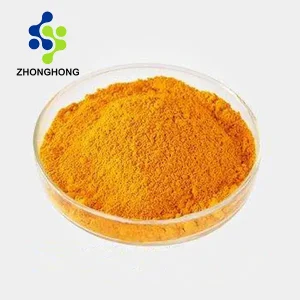
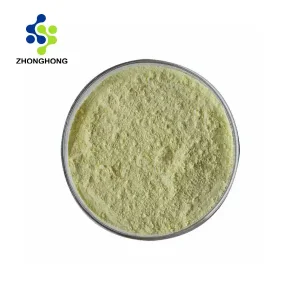
| Appearance | Off-white to light yellow powder |
| Active Component | β-1,3/1,6-Glucan |
| Assay | ≥ 80% (customizable) |
| Odor | Characteristic |
| Solubility | Water-dispersible |
| Loss on Drying | ≤ 5% |
Pesticide Residue Limits
| Parameter | Limit | Method |
|---|---|---|
| Organophosphates | ≤ USP / EU limits | GC-MS |
| Organochlorines | ≤ USP / EU limits | GC-MS |
| Pyrethroids | ≤ USP / EU limits | GC-MS |
Heavy Metals
| Item | Limit | Method |
|---|---|---|
| Lead (Pb) | ≤ 1.0 ppm | ICP-MS |
| Arsenic (As) | ≤ 1.0 ppm | ICP-MS |
| Cadmium (Cd) | ≤ 0.5 ppm | ICP-MS |
| Mercury (Hg) | ≤ 0.1 ppm | ICP-MS |
Microbiological Standards
| Item | Limit | Method |
|---|---|---|
| Total Plate Count | ≤ 10,000 CFU/g | USP |
| Yeast & Mold | ≤ 100 CFU/g | USP |
| E. coli | Negative | USP |
| Salmonella | Negative | USP |
8. Manufacturing Process
-
Yeast cultivation & controlled fermentation
-
Cell wall separation
-
Enzymatic purification
-
Filtration & concentration
-
Drying & milling
-
In-house laboratory testing
-
Final packaging under GMP conditions
9. Storage, Shelf Life & Packaging
-
Storage: Cool, dry, sealed, away from light
-
Shelf life: 24 months
-
Packaging:
-
1 kg aluminum foil bag
-
25 kg fiber drum
-
Customized OEM packaging available
-
10. Sample Policy, MOQ & Logistics
-
MOQ: 1 kg
-
Samples: Available for formulation testing
-
Delivery terms: EXW / FOB / CIF
-
Shipping: Air & sea freight supported
-
Lead time: 3–7 working days (stock items)
11. Applicable Industries & Use Scenarios
-
Dietary Supplements
-
Functional Foods & Beverages
-
Cosmetics & Personal Care
-
Pharmaceutical R&D
-
Veterinary Nutrition
12. Clinical Data & Research Overview
Multiple peer-reviewed studies have investigated yeast beta glucan structure and biological interaction:
-
NIH – Beta-Glucans and Immune Modulation
-
PubMed – Dectin-1 receptor interaction studies
-
EFSA – Novel food ingredient evaluations
(References available upon request.)
13. Certifications & Quality Assurance
-
GMP
-
ISO 9001
-
HACCP
-
Halal / Kosher (upon request)
-
Full COA & MSDS provided per batch
14. Frequently Asked Questions (FAQ)
1. Is yeast beta glucan suitable for vegan formulations?
Yes, it is yeast-derived and plant-based.
2. Can you provide customized assay levels?
Yes, assay ranges can be adjusted based on MOQ.
3. Is this ingredient allergen-free?
Produced under allergen-controlled systems.
4. Do you support OEM private label products?
Yes, full OEM & ODM services are available.
5. Is the product compliant with international regulations?
We supply documentation aligned with FDA, EU, and global standards.
6. Can I request formulation support?
Yes, our technical team provides application guidance.
15. Manufacturer Information & Contact
AIHerba® | China Natural Plant Extracts Supplier & OEM Factory
AIHerba (Shaanxi Zhonghong Investment Technology Co., Ltd.) is a GMP-certified manufacturer and exporter specializing in high-purity natural plant extracts.
📧 sales@aiherba.com
📧 info@aiherba.com
📧 liaodaohai@gmail.com
🌐 www.aiherba.com