
Introduction
If you’ve ever searched for natural ways to fight fatigue, reduce stress, or sharpen your focus, you’ve probably come across Rhodiola Rosea L. This powerful adaptogenic herb has been used for centuries in traditional medicine across Russia, Scandinavia, and parts of Asia. Today, it’s one of the most popular herbal supplements worldwide, available in forms like rhodiola rosea tablets, rhodiola rosea tea, and rhodiola rosea powder.
But what exactly does it do? Is it safe for everyone? And how does it compare with other popular adaptogens like ashwagandha? In this article, we’ll take a deep dive into what the research says about Rhodiola Rosea L, including its uses, safety, potential downsides, and where you can buy it in bulk from trusted suppliers.
What is Rhodiola Rosea L?
Rhodiola Rosea L, sometimes called “golden root” or “arctic root,” is a flowering plant that grows in cold, mountainous regions of Europe and Asia. It belongs to the Crassulaceae family and is prized for its adaptogenic properties.
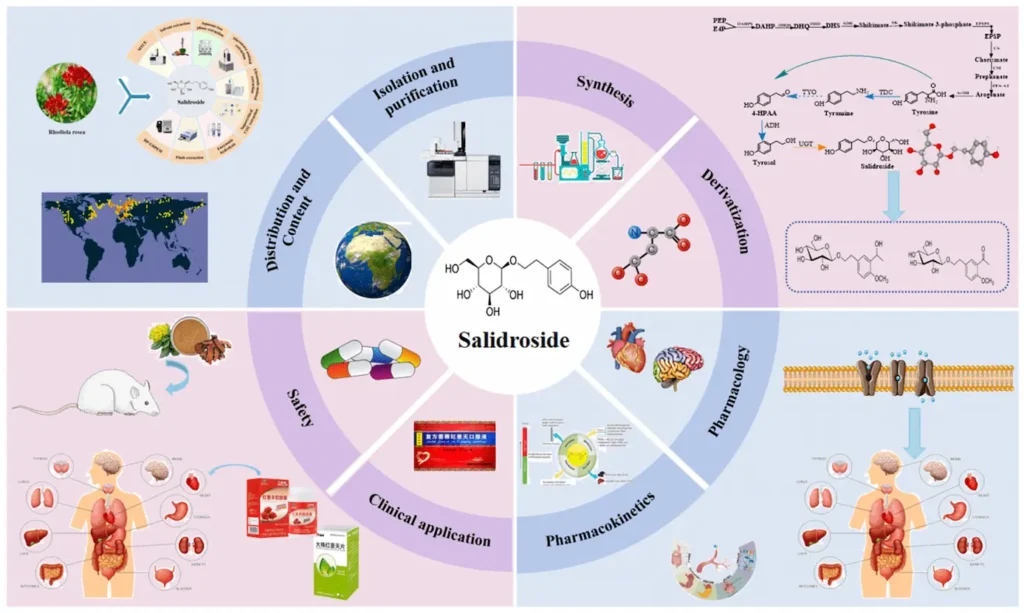
The active compounds in rhodiola rosea extract include rosavin, rosarin, rosin, and salidroside. These bioactive substances are believed to help regulate stress hormones, support brain health, and improve energy metabolism.
Some even describe Rhodiola Rosea L as a “putative botanical antidepressant” because of its mood-balancing effects.
What is Rhodiola Rosea L Used For?
Clinical research and traditional medicine suggest Rhodiola Rosea L may support:
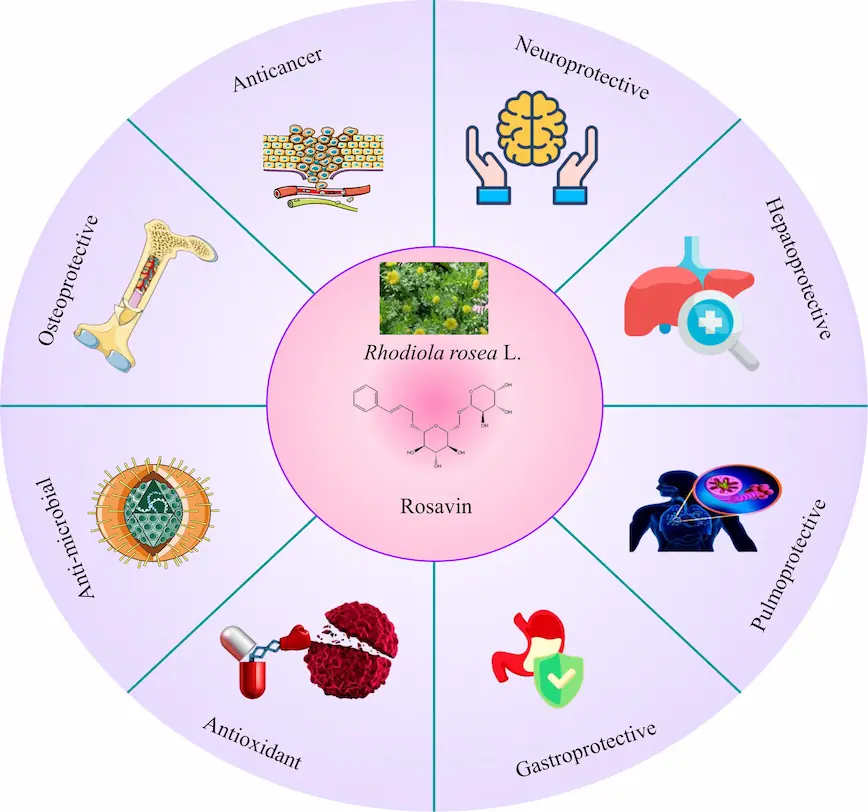
- Stress Reduction – Helps balance cortisol, the stress hormone.
- Cognitive Function – Improves focus, memory, and mental clarity.
- Energy and Stamina – Popular among athletes for reducing fatigue and enhancing performance.
- Mood Support – May ease mild depression and anxiety symptoms.
- Weight Management – Some evidence suggests it helps regulate appetite and metabolism, making rhodiola rosea weight loss a trending topic.
- Immune Support – Can help the body adapt to stress and maintain resilience.
- Longevity – Used traditionally for vitality and anti-aging benefits.
What Does Rhodiola Rosea Do to the Brain?
One of the most fascinating aspects of rhodiola rosea L is its effect on the brain. Research shows that it influences neurotransmitters like serotonin, dopamine, and norepinephrine. This is why many people report better mood stability, improved memory, and sharper concentration after taking rhodiola.
It also helps lower cortisol, which protects against stress-related brain fog and fatigue. Some formulations even combine rhodiola rosea L with theanine, tyrosine, or phosphatidylserine for synergistic brain benefits.
Is Rhodiola Rosea Safe During Pregnancy?
This is a common question, but unfortunately, there isn’t enough research to confirm whether rhodiola rosea is safe during pregnancy or breastfeeding. Most health professionals advise against using it during these stages, just to be safe. If you’re pregnant, it’s best to consult your doctor before taking any adaptogens.
Who Should Avoid Rhodiola Rosea?
While rhodiola is generally considered safe for most healthy adults, some groups should avoid it:
- Pregnant or breastfeeding women – due to limited safety data.
- People with bipolar disorder – it may trigger mood swings in some cases.
- Individuals with very low blood pressure – rhodiola can sometimes lower blood pressure further.
- People on antidepressant medications – potential interaction with SSRIs or MAOIs.
What Are the Negatives of Rhodiola?
Like any supplement, rhodiola rosea side effects are possible, though usually mild. They may include:
- Irritability or restlessness
- Trouble sleeping (especially if taken late in the day)
- Dry mouth
- Dizziness
Most side effects occur when doses are too high. A common dosage is 200–400 mg per day, though some studies use up to 600 mg of standardized rhodiola rosea extract.
Rhodiola Rosea vs Ashwagandha: Which is Better?
Both rhodiola and ashwagandha are powerful adaptogens, but they act differently:
- Rhodiola Rosea L – Works quickly, often within hours or days, for boosting energy, focus, and stress resilience.
- Ashwagandha – Has a more calming effect, supports sleep, reduces anxiety, and helps balance hormones.
If you want sharper focus and stamina, rhodiola rosea tablets or tea might be better. If you’re looking for long-term stress reduction and relaxation, ashwagandha could be the right choice. Some supplements even combine ashwagandha and rhodiola rosea L with theanine for balanced results.
Forms of Rhodiola Rosea
You can find rhodiola in several forms:
- Rhodiola rosea tablets/capsules – convenient for daily use.
- Rhodiola rosea tea – traditional, mild, and soothing.
- Rhodiola rosea powder – can be mixed into smoothies or drinks.
- Rhodiola rosea liquid extract – for faster absorption.
Long-Term Use of Rhodiola Rosea L
Many people ask whether rhodiola is safe for long-term use. Research suggests it is generally safe when taken at recommended doses, but cycling (taking it for a few weeks, then pausing) may help prevent tolerance. Brands like Rhodiola Rosea Lamberts and Life Extension often recommend such cycling practices.
FAQ
Q1: What is Rhodiola Rosea Ayurvedic Name?
Although rhodiola is not originally an Ayurvedic herb, it is sometimes included in modern Ayurveda formulations as a stress-balancing tonic.
Q2: Can Rhodiola Rosea Help with Weight Loss?
Some studies suggest rhodiola may reduce stress-related cravings and improve fat metabolism, making it a supportive tool for weight management.
Q3: How Should I Take Rhodiola Rosea?
Most people take 200–400 mg daily of standardized extract, preferably in the morning to avoid sleep issues.
Q4: Can Rhodiola Support Liver Health?
Preliminary research suggests it has antioxidant effects that may support liver function, but more studies are needed.
Q5: Where Can I Buy Rhodiola Rosea in Bulk?
You can source high-quality Rhodiola Rosea L extract from:
- Shaanxi Zhonghong Investment Technology Co., Ltd.
- Website: aiherba.com
- Email: sales@aiherba.com | info@aiherba.com | liaodaohai@gmail.com
Summary
Rhodiola Rosea L is one of the most researched adaptogenic herbs, known for its ability to fight fatigue, reduce stress, and boost cognitive performance. While it’s generally safe for most adults, it may not be suitable during pregnancy or for people with certain conditions. Compared to ashwagandha, rhodiola works faster for mental and physical energy, while ashwagandha is better for long-term relaxation and hormone balance.
Whether you choose rhodiola rosea tablets, tea, or powder, make sure you get it from a trusted supplier. For bulk or customized orders, Shaanxi Zhonghong Investment Technology Co., Ltd. (aiherba.com) is a reliable global source.
References
- Panossian, A., & Wikman, G. (2010). Effects of adaptogens on the central nervous system and the molecular mechanisms associated with their stress—protective activity. Pharmaceuticals, 3(1), 188–224.
- Darbinyan, V., et al. (2000). Clinical trial of Rhodiola rosea L. extract SHR-5 in the treatment of mild to moderate depression. Nordic Journal of Psychiatry, 54(5), 426–433.
- Spasov, A. A., et al. (2000). A double-blind, placebo-controlled pilot study of the stimulating and adaptogenic effect of Rhodiola rosea SHR-5 extract on fatigue. Phytomedicine, 7(2), 85–89.
- Ishaque, S., et al. (2012). Rhodiola rosea for physical and mental fatigue: A systematic review. BMC Complementary and Alternative Medicine, 12, 70.
Bulk Supply & Technical Support
Get direct factory quotes, COA, and MSDS within 12 hours. We support bulk supply and custom specifications.
Fast Response via Email/WhatsApp
Get direct factory quotes, COA, and MSDS within 12 hours. We support bulk supply and custom specifications.