
1. Probiotic Fermented Extract Supplier & Manufacturer | GMP-Grade Fermented Plant Extract for Bulk & OEM Applications
Probiotic Fermented Extract is a GMP-grade fermented plant extract produced through controlled probiotic fermentation, designed for dietary supplements, functional nutrition, and microbiome skincare formulations. As an experienced probiotic fermented extract manufacturer and bulk supplier, AIHerba® provides standardized, traceable, and application-ready fermented ingredients for global B2B buyers, brand owners, and OEM/ODM partners.
Our probiotic fermented herbal extract is manufactured using selected botanical raw materials and probiotic strains, improving ingredient bioavailability, functional stability, and formulation compatibility compared to regular plant extracts. With full COA, batch traceability, flexible MOQ, and global shipping, this ingredient is suitable for brands seeking reliable wholesale fermented extract supply and long-term manufacturing partnerships.
👉 Request samples, specifications, or OEM pricing directly from our factory team.
Quick Summary
-
Ingredient name: Probiotic Fermented Extract
-
CAS No.: Not assigned (botanical fermented ingredient)
-
Main applications: Dietary supplements, functional foods, microbiome skincare
-
Typical purity: ≥ 98% extract solids (customizable)
-
Suitable industries: Nutraceutical, cosmetic, functional food, OEM/ODM manufacturing
2. What Is Probiotic Fermented Extract?
What is Probiotic Fermented Extract
Probiotic Fermented Extract is a fermented plant extract obtained by subjecting botanical materials to controlled probiotic fermentation. This process transforms complex plant compounds into smaller, more bioavailable molecules, making the ingredient easier to formulate and more stable in industrial applications.
Benefits
-
Enhanced bioavailability compared to regular plant extracts
-
Improved stability and solubility
-
Compatible with gut-health and microbiome-focused formulations
Applications
Commonly used as a dietary supplement ingredient fermented extract, functional nutrition component, and microbiome skincare ingredient.
Dosage / Specification
Dosage varies depending on formulation type and application. Typical inclusion ranges from 0.1%–2.0% in finished products.
Safety
Manufactured under GMP conditions with full contaminant testing. Non-GMO, non-irradiated.
Supplier / Manufacturer
AIHerba® is a probiotic fermented extract supplier and manufacturer offering bulk, wholesale, and OEM/ODM services.
3. Detailed Technical Specifications
| Item | Specification |
|---|---|
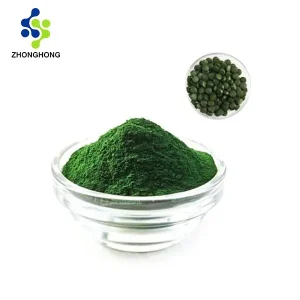
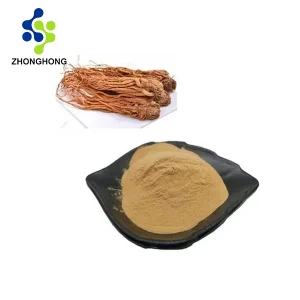
| Appearance | Light brown to yellow powder |
| Odor | Characteristic |
| Solubility | Water dispersible |
| Extraction Type | Probiotic fermentation |
| Plant Part Used | Botanical raw materials |
| Loss on Drying | ≤ 5.0% |
| Purity | ≥ 98% |
| Shelf Life | 24 months |
4. Product Source & Raw Material Origin
Our fermented plant extract is derived from traceable botanical raw materials, sourced from audited suppliers. Each batch undergoes identity verification before fermentation to ensure consistency and regulatory compliance.
5. Mechanism of Action & Functional Properties
Through probiotic fermentation, complex plant constituents are enzymatically transformed into smaller functional compounds. This process may support improved ingredient compatibility and absorption characteristics without making medical or therapeutic claims.
6. Application-Relevant Benefits (Regulatory-Safe)
-
Commonly used for gut-focused supplement formulations
-
Suitable for microbiome-friendly skincare products
-
Functional ingredient for clean-label and fermented product concepts
7. Usage Guidelines & Formulation Recommendations
-
Recommended for use in capsules, powders, liquids, and topical emulsions
-
Compatible with probiotics, prebiotics, botanical extracts
-
OEM formulation support available
8. Traditional & Modern Industrial Applications
-
Traditional fermented botanical concepts
-
Modern nutraceutical and cosmetic manufacturing
-
Functional beverages and clean-label foods
9. COA & Quality Control Specifications
Pesticide Residue Testing
| Item | Limit | Method |
|---|---|---|
| Organophosphates | ≤ USP limits | GC-MS |
| Organochlorines | ≤ USP limits | GC-MS |
| Pyrethroids | ≤ USP limits | GC-MS |
Heavy Metals
| Item | Limit | Method |
|---|---|---|
| Lead (Pb) | ≤ 1.0 ppm | ICP-MS |
| Arsenic (As) | ≤ 1.0 ppm | ICP-MS |
| Cadmium (Cd) | ≤ 0.5 ppm | ICP-MS |
| Mercury (Hg) | ≤ 0.1 ppm | ICP-MS |
Microbiological Tests
| Item | Limit | Method |
|---|---|---|
| Total Plate Count | ≤ 10,000 CFU/g | USP |
| Yeast & Mold | ≤ 100 CFU/g | USP |
| E. coli | Negative | USP |
| Salmonella | Negative | USP |
10. Manufacturing Process & Production Flow
-
Raw material inspection
-
Probiotic fermentation
-
Filtration & concentration
-
Drying and milling
-
Quality testing & batch release
11. Storage, Shelf Life & Packaging
-
Store in cool, dry conditions
-
Shelf life: 24 months
-
Packaging: 1 kg / 5 kg / 25 kg fiber drums or customized
12. MOQ, Sample Policy & Global Shipping
-
MOQ: Flexible for first-time buyers
-
Samples: Available upon request
-
Shipping: Air, sea, express worldwide
13. Clinical Data & Scientific Research
Published studies on fermented plant extracts and probiotic fermentation are available through PubMed and NIH databases for reference purposes only. No medical claims are made.
14. Applicable Industries
-
Dietary supplement manufacturing
-
Cosmetic & skincare manufacturing
-
Functional food & beverage production
15. Industry Application Scenarios
-
A nutraceutical brand using probiotic fermented extract in gut-health capsules
-
A skincare OEM applying fermented plant extract in microbiome-friendly serums
-
A functional beverage manufacturer incorporating fermented ingredients
16. Supplier Comparison & Procurement Guide
Compared with traders, AIHerba® offers direct factory supply, full documentation, consistent quality, and OEM/ODM support for long-term procurement.
17. FAQ for B2B Buyers
1. Do you offer bulk and wholesale supply?
Yes. We specialize in bulk and wholesale supply of probiotic fermented extract for global B2B buyers, including ingredient distributors, contract manufacturers, and brand owners. Standard bulk packaging options are available, and long-term supply agreements can be arranged based on annual volume forecasts.
2. Can you provide COA and MSDS?
Yes. Each production batch is supplied with a Certificate of Analysis (COA) issued by our internal QA laboratory or a third-party accredited lab upon request.
An up-to-date MSDS (Safety Data Sheet) is also available to support regulatory compliance, transportation, and formulation safety assessments.
3. What is the typical lead time?
The standard lead time for probiotic fermented extract is 7–15 working days after order confirmation, depending on order quantity, packaging requirements, and production schedule.
For OEM/ODM or customized specifications, lead time will be confirmed during technical evaluation.
4. Is OEM/ODM formulation support available?
Yes. We provide OEM/ODM support for probiotic fermented extract applications, including formulation guidance, dosage recommendations, and ingredient compatibility evaluation for dietary supplements, functional foods, and microbiome skincare products.
Our technical team supports clients from pilot testing to scale-up production.
5. What certifications do you hold?
Our manufacturing facility operates under GMP standards and follows ISO-compliant quality management systems.
All products are manufactured with full batch traceability, documented quality control procedures, and compliance with applicable dietary supplement and cosmetic ingredient regulations.
6. Can samples be provided before bulk orders?
Yes. Samples are available for qualified B2B buyers prior to bulk procurement. Sample requests are typically supported with preliminary technical data to assist in formulation trials and internal evaluation before placing commercial orders.
19. References & Regulatory Sources
-
PubMed
-
NIH
-
FDA Dietary Supplement Regulations
-
ISO & USP Standards
Manufacturer & Quality Assurance
Manufactured by AIHerba® (Shaanxi Zhonghong Investment Technology Co., Ltd.),
a GMP-certified manufacturer specializing in high-purity botanical extracts
for dietary supplements, cosmetics, and pharmaceutical applications.
✔ GMP-certified production facility
✔ Full COA & technical specifications available
✔ Batch traceability & strict quality control
✔ Bulk supply & OEM/ODM services for global B2B buyers
📧 sales@aiherba.com
| info@aiherba.com
| liaodaohai@gmail.com
🌐 www.aiherba.com
If you are looking for a bulk supplier / OEM manufacturer of Probiotic Fermented Extract, contact us for specifications, COA, and pricing.