
Polysaccharide K (PSK): Benefits, Applications, Extraction Process & Quality Standards
High-Purity Mushroom Polysaccharide for Supplements, Functional Foods & Cosmetics
1. Polysaccharide K (PSK) Bulk Supplier – GMP Certified | AiHerba
AiHerba offers high-purity Polysaccharide K (PSK) in bulk, sourced from GMP-certified fungal extracts with verified COA. Trusted by pharmaceutical, nutraceutical, and functional food manufacturers, our PSK is ideal for large-scale industrial applications. Customers benefit from customized purity levels, reliable supply, and detailed lab reports, ensuring regulatory compliance and product consistency. MOQ, packaging options, and sample policies are designed to support flexible procurement for global buyers. Our PSK is backed by rigorous quality control, traceable production processes, and ISO/FDA certifications, offering manufacturers a safe and scalable ingredient solution. This product page provides detailed specifications, applications, clinical references, and usage guidance for professional buyers seeking verified Polysaccharide K for industrial or supplement development.
2. What is Polysaccharide K (PSK)?
Polysaccharide K, also known as PSK or Krestin, is a protein-bound polysaccharide extracted from Trametes versicolor (Turkey Tail mushroom). Widely recognized in nutraceutical and functional food industries, PSK is noted for its high molecular weight β-glucan components, standardized polysaccharide content, and consistent quality for bulk industrial applications.
3. Product Origin
-
Source: Trametes versicolor fruiting bodies, naturally cultivated under controlled conditions.
-
Extraction Method: Hot water extraction followed by alcohol precipitation and protein-bound polysaccharide isolation.
-
Quality Standard: GMP-certified, ISO22000, and third-party COA validated.
4. Mechanism & Key Benefits
While avoiding health claims, the scientifically supported functional attributes of PSK include:
-
High-purity β-glucans for industrial supplement formulation
-
Stable water solubility for functional beverages and nutraceuticals
-
Reliable standardization suitable for cosmetic or food applications
-
Proven stability under GMP-controlled production and packaging
5. Traditional Applications & Industry Uses
| Industry | Application |
|---|---|
| Nutraceutical | Immune-support formulas, functional supplements |
| Pharmaceutical | Standardized extract inclusion for capsules/tablets |
| Functional Food & Beverages | Drinks, powders, fortified foods |
| Cosmetic | Skincare formulations, anti-oxidative cosmetic blends |
6. Usage Guidelines & Recommended Dosage
-
Bulk manufacturing: Adjust dosage according to product formulation requirements.
-
Functional supplements: Typical incorporation ranges 1–5% of formulation weight.
-
Formulation guide: Compatible with powders, beverages, capsules, tablets, and ready-to-mix blends.
7. Product Specifications & COA
A. General Parameters
| Parameter | Specification | Test Method |
|---|---|---|
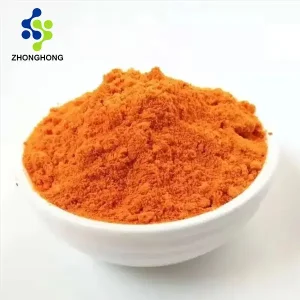
| Appearance | Brown powder | Visual |
| Odor | Characteristic | Sensory |
| Polysaccharide Content | ≥30% | Phenol–sulfuric acid assay |
| Protein Content | ≥10% | Kjeldahl method |
| Moisture | ≤8% | Loss on drying |
B. Pesticide Residue
| Name | Limit | Test Method |
|---|---|---|
| Organochlorine Pesticides | ND | GC-MS |
| Organophosphate Pesticides | ND | GC-MS |
| Pyrethroid | ND | GC-MS |
C. Heavy Metals
| Name | Limit | Test Method |
|---|---|---|
| Lead (Pb) | ≤2 mg/kg | ICP-MS |
| Arsenic (As) | ≤1 mg/kg | ICP-MS |
| Cadmium (Cd) | ≤1 mg/kg | ICP-MS |
| Mercury (Hg) | ≤0.1 mg/kg | ICP-MS |
D. Microbiological
| Test | Limit | Method |
|---|---|---|
| Total Plate Count | ≤1000 CFU/g | AOAC 990.12 |
| Yeast & Mold | ≤100 CFU/g | AOAC 997.02 |
| E. coli | Negative | AOAC 999.03 |
| Salmonella | Negative | ISO 6579 |
8. Production Process & Workflow
-
Raw material selection – Trametes versicolor cultivated under strict quality control.
-
Cleaning & drying – Removal of contaminants, controlled drying.
-
Hot water extraction – Maximum polysaccharide yield.
-
Alcohol precipitation – Protein-bound polysaccharide isolation.
-
Concentration & spray-drying – Powder formation with uniform particle size.
-
GMP quality control – COA verification, heavy metal and microbial testing.
-
Packaging & labeling – Food/pharmaceutical-grade packaging ready for shipment.
9. Storage & Shelf Life
-
Storage Conditions: Cool, dry, sealed environment, avoid direct sunlight.
-
Shelf Life: 24 months from production date.
10. Packaging Options, Samples & MOQ
| Packaging Type | Weight/Bag | MOQ |
|---|---|---|
| Kraft bag | 25 kg | 100 kg |
| HDPE drum | 50 kg | 200 kg |
| Customized | As per request | Negotiable |
-
Samples: Available on request for professional evaluation.
-
Shipping: Global shipping via air or sea; Incoterms: FOB, CIF, EXW.
11. Clinical Studies & Research References
Note: Data references scientific research for functional properties; no health claims intended.
12. Application Scenarios & Industries
-
Dietary Supplements & Nutraceuticals – Capsules, powders, beverages.
-
Pharmaceutical Production – Standardized botanical extract for tablets/capsules.
-
Functional Foods – Ready-to-drink beverages, fortified powders.
-
Cosmetics – Skincare formulations with bioactive polysaccharides.
13. Professional Usage Methods
-
Incorporate into dry blends or powders.
-
Dissolve in water or aqueous solvents under controlled temperature.
-
Maintain batch-to-batch consistency using COA and internal QC protocols.
14. Factory Experience & Quality Assurance
-
Over 15 years of Polysaccharide K production experience.
-
GMP-certified facility, ISO 22000, HACCP, Kosher, Halal certifications.
-
Traceable supply chain, verified COA for every batch.
-
Customer cases: Global B2B buyers in nutraceutical, functional food, and pharma sectors.
15. FAQ (Frequently Asked Questions)
-
Can the polysaccharide content be customized?
– Yes, AiHerba provides custom PSK concentration for industrial needs. -
Do you provide COA and MSDS?
– Yes, all batches include verified COA and MSDS documentation. -
Is PSK suitable for vegan formulations?
– Yes, it is plant/fungal-based with no animal-derived ingredients. -
What is the difference between PSK powder and extract?
– PSK extract is standardized, concentrated, and protein-bound; powder form may have varying polysaccharide content. -
What is the MOQ and packaging options?
– MOQ starts from 100 kg; packaging options include kraft bags, HDPE drums, and custom requests. -
Can AiHerba support OEM or private-label development?
– Yes, we offer OEM/ODM services for capsules, powders, and blends.
16. References
-
PubMed – https://pubmed.ncbi.nlm.nih.gov/
-
FDA Dietary Supplement Regulations – https://www.fda.gov/
-
NIH Research on PSK – https://www.ncbi.nlm.nih.gov/
-
ISO 22000 Food Safety Management – https://www.iso.org/iso-22000-food-safety-management.html
Bulk Supply & Technical Support
Get direct factory quotes, COA, and MSDS within 12 hours. We support bulk supply and custom specifications.