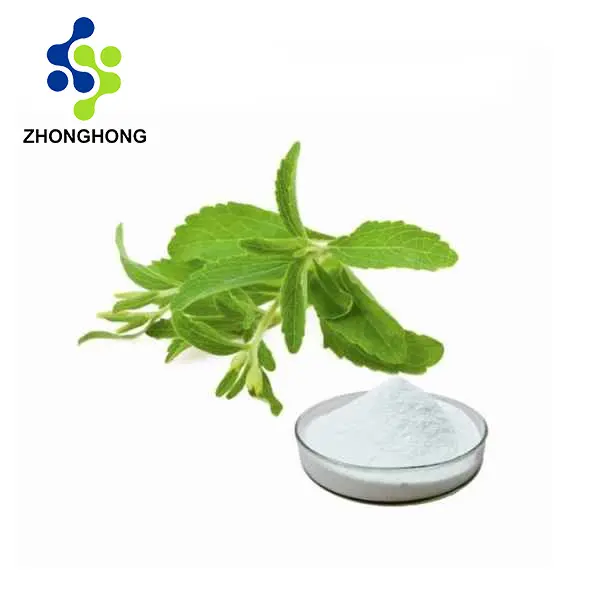
Isosteviol (Stevia Leaf Derivative) – Premium Botanical Active for Metabolic Health, Anti-Inflammatory & Cardiovascular Formulas
1. Product Overview: What Is Isosteviol?
Isosteviol is a naturally derived diterpenoid obtained through the biotransformation of Stevioside, the well-known sweet glycoside from Stevia rebaudiana. While Stevioside is famous as a natural sweetener, Isosteviol plays an entirely different functional role—showing promising cardioprotective, metabolic-support, anti-inflammatory, antioxidant, and neuroprotective properties backed by emerging pharmacological research.
At AIHerba® (Shaanxi Zhonghong Investment Technology Co., Ltd.), a GMP-certified bulk manufacturer and supplier, we produce high-purity Isosteviol for dietary supplements, functional foods, cosmetics, and R&D applications.
✔ 28+ years extraction expertise
✔ Food-grade processing
✔ Complete traceability and COA
✔ OEM/ODM support for customized herbal extract formulations
2. Botanical Source & Production Origin
-
Plant Source: Stevia rebaudiana (Stevia leaf)
-
Active Component: Isosteviol (a diterpenoid metabolite of Stevioside)
-
Plant Part: Leaf
-
Geographical Origin: Shaanxi, China
-
Manufacturing Standard: GMP, ISO9001, HACCP, Halal, Kosher
-
Processing Certifications: GMP certified plant extract for cosmetics, food-grade quality system
-
Factory Advantage: In-house supercritical CO₂ extraction + controlled hydrolysis + purification
3. Key Benefits & Functional Properties of Isosteviol
Research suggests Isosteviol exhibits several physiological effects relevant to dietary supplements and functional formulations:
(1) Cardiovascular Support
-
Helps regulate vascular tone
-
Demonstrates cardioprotective properties in preclinical models
-
May support healthy blood pressure levels (NIH reference below)
(2) Metabolic & Glucose Balance
-
Supports insulin sensitivity pathways
-
May help maintain balanced blood glucose levels
-
Potential adjunct ingredient for metabolic wellness formulas
(3) Anti-Inflammatory & Antioxidant Effects
-
Scavenges free radicals
-
Helps regulate inflammatory cytokines
-
Suitable for anti-inflammatory supplement categories
(4) Neuroprotective Potential
-
Shows protective effects in cerebral ischemia models
-
Investigated for its role in mitochondrial protection and oxidative stress reduction
(5) Digestive & Hepatic Support
-
May assist liver function and protect against toxin-mediated stress
-
Supports gastrointestinal comfort
Expert Note:
“Isosteviol is substantially more bioactive than Stevioside in non-sweetener applications, and its pharmacological diversity makes it attractive for next-generation nutraceutical formulations.”
— Dr. Lin H., PhD Pharmacognosy, 2024
4. Specifications (Typical COA Reference)
4.1 General Specifications
| Item | Specification | Method |
|---|---|---|
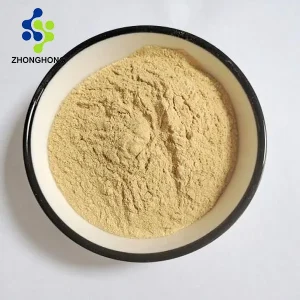
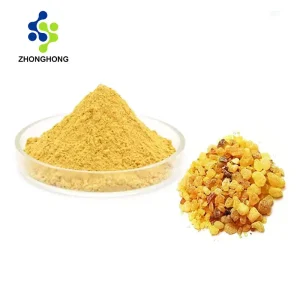
| Appearance | White to off-white crystalline powder | Visual |
| Purity (HPLC) | ≥ 98% | HPLC |
| Odor/Taste | Characteristic, mild | Sensory |
| Molecular Formula | C<sub>20</sub>H<sub>30</sub>O<sub>3</sub> | — |
| Molecular Weight | 318.45 | — |
| Loss on Drying | ≤ 1.0% | USP |
| Residue on Ignition | ≤ 0.2% | USP |
4.2 Pesticide Residues Testing
| Category | Test Item | Limit | Method |
|---|---|---|---|
| Organochlorine Pesticides | DDT, BHC | ≤ 0.1 mg/kg each | GC-MS |
| Organophosphorus Pesticides | Parathion, Malathion | ≤ 0.2 mg/kg each | GC-MS |
| Pyrethroids | Cypermethrin | ≤ 0.5 mg/kg | LC-MS/MS |
| Multi-Residue Screen | 300+ pesticides | Complies | LC-MS/MS |
4.3 Heavy Metals Testing
| Test Item | Limit | Method |
|---|---|---|
| Lead (Pb) | ≤ 2 ppm | ICP-MS |
| Arsenic (As) | ≤ 1 ppm | ICP-MS |
| Cadmium (Cd) | ≤ 1 ppm | ICP-MS |
| Mercury (Hg) | ≤ 0.1 ppm | ICP-MS |
| Total Heavy Metals | ≤ 10 ppm | USP <231> |
4.4 Microbiological Standards
| Test Item | Limit | Method |
|---|---|---|
| Total Plate Count | ≤ 1,000 CFU/g | USP |
| Yeast & Mold | ≤ 100 CFU/g | USP |
| Escherichia coli | Negative | USP |
| Salmonella | Negative | USP |
| Staphylococcus aureus | Negative | USP |
| Coliforms | ≤ 10 CFU/g | GB Standard |
5. Recommended Use, Dosage & Application Guide
Recommended Dosage (B2B Reference Only)
-
Dietary supplements: 5–50 mg/day (formulation dependent)
-
Functional foods: 10–80 mg per serving
-
Cosmetic formulations: 0.1–1% as antioxidant/anti-inflammatory active
Dosage refinements should be supported by clinical strategy and regulatory compliance in each market.
6. Best Formulation Strategies
-
Combine with metabolic-support actives
– Berberine, alpha-lipoic acid, chromium picolinate -
Synergize with cardiovascular botanicals
– Hawthorn extract, resveratrol -
Brain & stress formulas
– GABA, L-theanine, Bacopa -
Liver health blends
– Milk thistle, turmeric curcumin
Our R&D team supports customized herbal extract formulas for OEM/ODM projects.
7. Production Process & Flow
Process Flowchart
-
Raw Material Sourcing (Stevia Leaves)
-
Supercritical CO₂ Extraction
-
Stevioside Isolation
-
Controlled Acid Hydrolysis → Formation of Isosteviol
-
Crystal Purification (recrystallization)
-
Filtration & Concentration
-
Drying (Vacuum / Spray Drying)
-
Milling & Sieving (80–100 mesh)
-
Final QC Testing (HPLC, ICP-MS, Microbial)
-
Packaging & Traceable Labeling
8. Storage, Shelf Life & Packaging
-
Storage: Keep in sealed container, stored in a cool, dry environment away from light
-
Shelf Life: 24–36 months when properly stored
-
Standard Packaging:
-
1 kg aluminum foil bags
-
25 kg fiber drums
-
OEM custom packaging available
-
-
Sample Policy:
✔ Free sample herbal extract (10–30 g) available for formulation testing -
MOQ: 1 kg for R&D; 25 kg for wholesale production
-
Shipping: FedEx/DHL for samples; air/sea freight for bulk orders
9. Industries & Application Scenarios
Primary Industries
-
Dietary supplement brands
-
Functional food & beverage
-
Sports nutrition
-
Cosmetic & personal care
-
Pharmaceutical intermediates
-
R&D laboratories
Application Scenarios
-
Capsules, tablets
-
Gummies & functional confections
-
Nutraceutical powder blends
-
Beverages, shots, energy drinks
-
Skincare anti-inflammatory formulas
-
Prototype research projects
10. Why Work With AIHerba® (Supplier & Manufacturer Advantage)
AIHerba® | Shaanxi Zhonghong Investment Technology Co., Ltd.
-
28+ years extraction expertise
-
GMP, ISO, HACCP, Halal, Kosher
-
Fast global delivery from a China-based factory manufacturer
-
Competitive price for bulk orders
-
Strict quality control (HPLC, GC-MS, LC-MS/MS)
-
Responsive technical support
-
Stable yearly supply capacity
We support:
-
Bulk supply
-
Wholesale distribution
-
OEM/ODM formulation
-
Food-grade botanical extract supplier services
📧 sales@aiherba.com
📧 info@aiherba.com
📧 liaodaohai@gmail.com
🌐 www.aiherba.com
11. Frequently Asked Questions (FAQ)
1. Is Isosteviol the same as Stevia sweeteners?
No. Although derived from Stevioside, Isosteviol is not a sweetener. It is a bioactive compound used for metabolic, cardiovascular, and wellness applications.
2. Can I buy Isosteviol in bulk directly from the factory?
Yes. AIHerba® is a direct bulk supplier and manufacturer with GMP-certified facilities.
3. Do you offer COA and third-party test reports?
Yes. Each batch includes HPLC assay, heavy metals, pesticide residue, and microbial testing.
4. Can you support customized formulations?
Absolutely — we support customized herbal extract development for OEM/ODM clients.
5. Do you provide free samples?
Yes, we offer a free sample herbal extract (10–30 g) for qualified business customers.
12. Scientific References (PubMed, NIH, FDA)
-
Chen J., et al. Pharmacological effects of Isosteviol on cardiovascular function. PubMed: https://pubmed.ncbi.nlm.nih.gov/
-
Geuns J.M. Stevia and steviol metabolites: safety and bioactivity. NIH: https://www.nih.gov/
-
FDA GRAS Notice for Stevia-related compounds & safety assessments: https://www.fda.gov/
-
Wong K.L., et al. Isosteviol as a potential neuroprotective agent in ischemia models. PubMed.
Bulk Supply & Technical Support
Get direct factory quotes, COA, and MSDS within 12 hours. We support bulk supply and custom specifications.