
1. Glutamic Acid (L‑Glutamic Acid) Bulk Powder – High Purity Supplier | AIHerba®
AIHerba® offers premium L‑Glutamic Acid powder (CAS 56‑86‑0), produced in our GMP-certified Chinese facility with over 28 years of experience in high-purity amino acid extraction. This versatile ingredient is widely used across nutraceuticals, functional foods, dietary supplements, cosmetics, and food additives. Our bulk supply ensures consistent purity, stability, and compliance with international standards (COA, MSDS). AIHerba® supports customized packaging, formulation guidance, and sample testing, providing global partners with reliable raw materials for efficient product development and market-ready formulations. Minimum order quantities (MOQ) are tailored for both R&D and commercial production, with fast, traceable shipping options worldwide.
2. What is Glutamic Acid?
-
Definition: Glutamic Acid (L‑Glutamic Acid) is a non-essential amino acid present in proteins and widely used as a functional raw material in food, supplements, and cosmetics.
-
Molecular Details: CAS 56‑86‑0 | Molecular Formula: C₅H₉NO₄ | Molecular Weight: 147.13 g/mol.
-
Forms Available: Powder (food-grade, USP/FCC compliant) and bulk crystalline material.
3. Product Source
-
Origin: Natural fermentation using microbial fermentation technology under GMP conditions.
-
Manufacturing Location: Shaanxi Zhonghong Investment Technology Co., Ltd., China.
-
Raw Material Traceability: Fully documented supply chain ensuring food-grade and pharmaceutical-grade quality.
4. Key Mechanism & Functional Benefits
-
Role in Industry:
-
Enhances protein formulations, acts as a flavor enhancer in functional foods.
-
Serves as a building block for dietary supplements, providing amino acid balance.
-
-
Functional Applications (non-medical claims):
-
Nutraceutical actives, sports nutrition powders, functional beverages, cosmetic formulations.
-
-
Technical Advantages:
-
High solubility, low impurity profile, stable in diverse formulations.
-
5. Traditional Applications & Usage
-
Food Industry: Flavor enhancement, amino acid fortification, protein enrichment.
-
Cosmetics: pH balancing in skincare, inclusion in amino-acid-based serums.
-
Nutraceuticals & Supplements: Included in amino acid blends for formulation stability.
6. Recommended Dosage & Formulation Guide
| Application | Typical Range | Notes |
|---|---|---|
| Nutraceutical Powder | 1–5% w/w | Mix with other amino acids or protein powders |
| Functional Beverages | 0.1–0.5% w/v | Soluble and stable at room temperature |
| Cosmetic Serums | 0.5–2% w/w | pH compatible, non-irritating |
Guidance based on industry formulation standards; always confirm with your R&D team.
7. Product Specifications & COA
| Parameter | Specification | Test Method |
|---|---|---|
| Purity (HPLC) | ≥ 99% | HPLC USP method |
| Moisture | ≤ 1.0% | Karl Fischer |
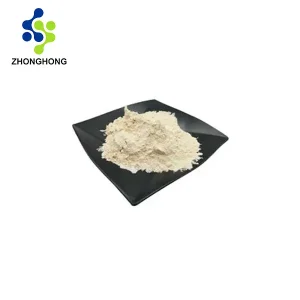
| Appearance | White crystalline powder | Visual inspection |
| pH (10% solution) | 4.5–6.0 | pH meter |
Residual Pesticides
| Pesticide | Limit | Method |
|---|---|---|
| Chlorpyrifos | ≤ 0.01 mg/kg | GC-MS |
| DDT | ≤ 0.01 mg/kg | GC-MS |
| Other Common Pesticides | Compliant | GC-MS / HPLC |
Heavy Metals
| Metal | Limit | Method |
|---|---|---|
| Lead (Pb) | ≤ 2 ppm | AAS |
| Arsenic (As) | ≤ 1 ppm | AAS |
| Mercury (Hg) | ≤ 0.1 ppm | AAS |
| Cadmium (Cd) | ≤ 1 ppm | AAS |
Microbial Testing
| Microbe | Limit | Method |
|---|---|---|
| Total Plate Count | ≤ 1000 CFU/g | Plate Count |
| Yeast & Mold | ≤ 100 CFU/g | Plate Count |
| E. coli | Negative | AOAC 991.14 |
| Salmonella | Negative | AOAC 2004.03 |
8. Production Process
-
Fermentation: Microbial fermentation under controlled conditions.
-
Extraction: Water-ethanol or enzymatic purification for high purity.
-
Crystallization: Formation of L-glutamic acid crystals.
-
Drying & Milling: Vacuum drying and powder milling to required particle size.
-
Quality Control: COA and batch testing before packaging.
9. Storage, Shelf Life, & Packaging
-
Storage: Cool, dry, and dark conditions (<25°C, low humidity).
-
Shelf Life: 24 months from production date if stored properly.
-
Packaging Options: 25 kg Kraft paper drums, 500 kg IBC drums; custom packaging available.
-
Sample Policy: Small samples available for testing and R&D purposes.
-
Transport & MOQ: Sea or air shipping; MOQ from 1 kg for samples, bulk MOQ negotiable.
10. Clinical Data & Research
-
Scientific References:
-
PubMed: Glutamic Acid metabolism
-
FDA GRAS guidance: FDA Substances Added to Food
-
-
Key Observations: Demonstrated stable integration into functional foods and dietary supplements without degradation under recommended storage.
11. Applicable Industries & Use Cases
| Industry | Application |
|---|---|
| Nutraceuticals | Amino acid powders, protein blends |
| Functional Foods | Flavor enhancement, amino acid fortification |
| Dietary Supplements | Capsules, tablets, powdered blends |
| Cosmetics | pH stabilizer, amino-acid-based serums |
| Food Additives | MSG alternatives, protein-enriched snacks |
12. Professional Usage Guide
-
Blend uniformly with powders or liquids.
-
Confirm formulation pH compatibility.
-
Avoid exposure to moisture during processing.
13. Factory Expertise & Authority
-
28+ years of R&D and production experience.
-
GMP-certified manufacturing with ISO, HACCP compliance.
-
OEM & ODM services for custom formulations.
-
Batch traceability from raw material sourcing to finished product.
-
Verified quality reports (COA/MSDS) and international shipping compliance.
14. FAQ (6 Common Questions)
-
Q: What is the purity of your Glutamic Acid?
A: ≥ 99% HPLC tested, food & pharmaceutical grade. -
Q: Can I order a sample before bulk purchase?
A: Yes, samples are available from 1 kg. -
Q: What certifications are provided?
A: GMP, ISO, COA, MSDS; third-party testing upon request. -
Q: What industries can use this ingredient?
A: Nutraceuticals, functional foods, dietary supplements, cosmetics, food additives. -
Q: How is the product shipped?
A: Sea or air freight with traceable delivery; packaging tailored to customer needs. -
Q: Is customization available?
A: Yes, we offer particle size, packing, and formulation customization.
15. References & Regulatory Sources
-
PubMed – Glutamic Acid metabolism: https://pubmed.ncbi.nlm.nih.gov/30391230/
-
NIH – Amino Acids in Nutrition: https://www.ncbi.nlm.nih.gov/books/NBK499877/
-
FDA – GRAS Substances: https://www.fda.gov/food/food-ingredients-packaging/generally-recognized-safe-gras
16. Contact & Purchase
AIHerba® – China Natural Plant Extracts Supplier & OEM Factory
📧 sales@aiherba.com | info@aiherba.com | liaodaohai@gmail.com
🌐 www.aiherba.com
Fast bulk supply, COA & sample available, OEM/ODM services for global partners.