, ,

Cucurbitacin

Buy High-Purity Cucurbitacin Extract Wholesale | Trusted Herbal Extract Supplier

  • English Name: Isosteviol

  • Specification: ≥ 98% (HPLC); available in water-soluble and oil-soluble grades.

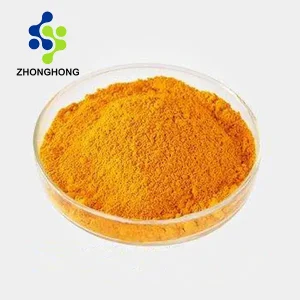
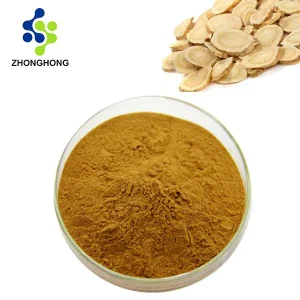
  • Appearance: Yellowish-white crystalline solid with a mild natural aroma.

  • CAS No.: 6260-56-6

  • Lead Time: 3–7 working days depending on order size.

  • Package: 25 kg/drum; 27 drums per pallet; OEM/ODM packaging available.

  • Main Market: Europe, North America, Asia; expanding to global nutraceutical and functional product markets.

  • Applications / Key Benefits: Supports metabolic health, antioxidant activity, and overall wellness; widely used in dietary, functional, and cosmetic formulations.

  • Industry Applications:
    a) Dietary Supplements – Metabolic, weight management, and antioxidant blends.
    b) Functional Foods & Beverages – Fortified drinks, health powders, and wellness products.
    c) Pharmaceuticals (Region-Specific) – Traditional metabolic health and wellness formulations.
    d) Cosmetics & Personal Care – Anti-aging, antioxidant, and skin-protective creams and serums.
    e) Herbal Health Products – Vitality, wellness, and antioxidant-focused products.

AiHerba’s GMP-Certified Cucurbitacin Extract | Trusted Botanical Extract Manufacturer

1. Product Overview & Source

Cucurbitacin is a naturally occurring class of highly oxidized tetracyclic triterpenoids found in the Cucurbitaceae family (e.g., gourds, squash, cucumber). Our cucurbitacin extract is sourced from meticulously cultivated Cucurbitaceae plants, processed in our GMP-certified plant extract factory in China. As a leading herbal extract supplier and botanical extract manufacturer, we produce high-purity cucurbitacin in bulk, offering both food-grade and research-grade specifications, with COA (Certificate of Analysis) provided for every batch.


2. Key Benefits & Health Effects

Our cucurbitacin extract offers a spectrum of bioactivities backed by peer-reviewed research:

  1. Anticancer Potential

    • Cucurbitacin B (CuB) has been shown to inhibit proliferation, induce apoptosis, and block migration and invasion of various cancer cells via pathways such as JAK/STAT3, PI3K/Akt, and MAPK. PubMed+2PubMed+2

    • Structural modifications and novel delivery systems (e.g., nanocarriers) are being explored to improve bioavailability and reduce toxicity. MDPI

    • Cucurbitacin D has demonstrated pro-apoptotic effects in colorectal cancer models through molecular docking and network pharmacology targeting STAT3, AKT1, and other proteins. SpringerLink

  2. Anti‑inflammatory & Immunomodulatory Effects

    • In murine models of sepsis-associated acute kidney injury, cucurbitacin B reduced inflammatory cytokines (TNF-α, IL-6) and protected renal tissue. Biomedical Research

    • In ulcerative colitis (UC) models, CuB modulated gut microbiota—boosting beneficial genera like Bifidobacterium—and lowered pro-inflammatory markers, improving colon health. SpringerOpen

  3. Cardiovascular & Metabolic Benefits

    • Cucurbitacins (notably B and E) exhibit anti-atherosclerotic activity by inhibiting lipid oxidation (e.g., malonaldehyde, 4-HNE). PMC

    • They also show antidiabetic potential via activation of the AMPK pathway and enhancing glucose uptake, as reported in preclinical studies. wjpr.s3.ap-south-1.amazonaws.com

  4. Other Traditional Uses

    • Historically, cucurbitacins have been used in traditional herbal remedies for liver protection, as well as for their antiviral and hepatoprotective effects. Bentham Science+1


3. Traditional & Historical Applications

  • Traditional Chinese medicine (TCM) has long utilized cucurbit-containing plants for detoxification, liver ailments, and parasitic infections. Bentham Science

  • In folk medicine, parts of wild gourds or bitter squashes (which contain cucurbitacins) were employed, although it is critical to note that unregulated consumption can produce toxicity. PMC+1


4. Usage Guidelines & Recommended Dosage

Given its potency and narrow therapeutic window, it is critical to handle cucurbitacin extract with care.

  • Research / In vitro: Typical cell-based assays use cucurbitacin B at low micromolar concentrations to probe signaling pathways (e.g., 0.1–10 μM).

  • In vivo (animal): Preclinical studies in mice (e.g., DSS‑induced colitis) used oral doses around 0.25–1 mg/kg of CuB, with significant anti-inflammatory effect. SpringerOpen

  • Safety note: Toxicity reports show that doses in the range of 2–12.5 mg/kg (in some models) may lead to adverse effects. PMC

  • Formulation ideas: For therapeutic or supplement development, combination with delivery systems (nanoparticles, liposomes) may help improve solubility and bioavailability. MDPI

Important: Please consult qualified toxicologists or regulatory bodies when designing human-use products.


5. Manufacturing & Quality Control

5.1 Production Process & Workflow

  1. Plant Cultivation: We grow selected Cucurbitaceae species under controlled conditions that minimize stress (temperature, drought), because stress can increase cucurbitacin content unpredictably. MDPI

  2. Harvesting: Fruit or aerial parts are harvested at optimal maturity, avoiding overly bitter or cross-pollinated lines.

  3. Extraction: We use solvent extraction (ethanol or food-grade solvents), followed by filtration, concentration, and purification steps (e.g., chromatography).

  4. Drying: Spray drying or lyophilization produces a stable powder.

  5. Purity Testing: Post‑processing, each batch undergoes rigorous testing (see COA table below).

  6. Packaging: Powder is packaged under inert gas (e.g., nitrogen) in food-grade foil pouches or drums.

5.2 Certifications, Authority & Credibility

  • Our facility is GMP-certified, ensuring compliance with pharmaceutical- and food-grade standards.

  • We provide COA for every lot, including tests for residual solvents, pesticides, heavy metals, and microbial limits.

  • Third‑party lab validation is available on request; we also support free sample herbal extract testing for qualified buyers.


6. Specifications & Certificate of Analysis (COA)

Here’s an example COA for a typical batch of our cucurbitacin B–rich extract:

Category Test Item Limit / Specification Method
Pesticide Residues Total pesticide residues ≤ 10 ppm GC-MS / HPLC
Organochlorine pesticides ND (non-detectable) GC-ECD
Heavy Metals Lead (Pb) ≤ 0.5 mg/kg ICP-MS
Arsenic (As) ≤ 0.2 mg/kg ICP-MS
Mercury (Hg) ≤ 0.1 mg/kg AAS / ICP-MS
Cadmium (Cd) ≤ 0.1 mg/kg ICP-MS
Microbiological Total aerobic plate count ≤ 1,000 cfu/g Plate count method
Yeast & Mold ≤ 100 cfu/g Plate count method
E. coli Negative / 10 g MPN / PCR
Salmonella Negative / 25 g ISO culture method

(“ND” = not detected; methods follow USP/EP standards or equivalent regulatory norms.)


7. Stability, Storage & Shelf Life

  • Storage: Store in a cool, dry place (< 25 °C), away from light and moisture.

  • Shelf life: 24 months when unopened; after opening, we recommend using within 12 months, with resealing under inert gas.

  • Packaging options: 1 kg foil pouches, 5 kg drums, or custom packaging per bulk wholesale orders.


8. Packaging, MOQ, Samples & Logistics

  • Minimum Order Quantity (MOQ):

    • Standard: 5 kg for bulk botanical extract orders.

    • Custom / GMP-grade: negotiable depending on specification.

  • Sample Policy: We offer free sample herbal extract (typically 5–10 g) for qualified buyers. Additional charges may apply for third-party testing.

  • Packaging for Shipping: Packed in sealed foil-lined bags or drums, labelled with batch number, purity, COA.

  • Transport: We ship via sea freight (FOB, CIF) or air freight, depending on customer preference. We export globally, working with major logistics providers experienced in handling botanical extracts.


9. Applications & Industries

Our cucurbitacin extract is suited for:

  • Pharmaceutical R&D: anticancer, anti-inflammatory, liver‑protective research.

  • Dietary Supplements: as a bioactive ingredient in botanically based supplements (pending safety/regulatory review).

  • Cosmetics: although its potency requires caution, cucurbitacin B has been explored in advanced topical systems for skin modulation (but not widely used due to potential irritancy). glooshi.

  • Functional Foods / Nutraceuticals: where permitted, as a trace bioactive.


10. Why Choose Us: Supplier Experience & Credibility

  • We are a trusted herbal extract supplier and bulk herbal extract manufacturer, serving global B2B buyers.

  • As a plant extract factory in China, we have over 10 years of experience producing GMP-standard botanical extracts.

  • Our clients include academic labs, supplement companies, and cosmetics formulators. We have shipped cucurbitacin extract to research institutions for anticancer studies, as well as to nutraceutical developers investigating gut-health applications (e.g., UC).

  • All batches come with full documentation: COA, MSDS, batch traceability, and third-party lab reports if required.


11. Safety, Recommended Precautions & Legal Considerations

  1. Toxicity Risks

    • Cucurbitacins are inherently bioactive and can be toxic at high doses. PMC

    • There are documented cases of “toxic squash syndrome” in humans consuming wild or bitter gourds, with symptoms like nausea, vomiting, diarrhea, hypotension, and in rare severe cases, vascular damage. Health+1

    • Our extract is designed for research or controlled use, not for general consumption without regulatory approval.

  2. Regulatory & Compliance

    • Buyers should verify local regulations (e.g., dietary supplement laws, novel food, pharmaceutical use) before formulating products.

    • For cosmetic use, conduct patch testing; although topical irritation is rare at low percentages, some sensitivity may occur. glooshi.

    • Always include safety data, labeling, and consumer warnings when developing products using this extract.

  3. Quality Assurance

    • We strongly advise customers to perform their own stability and formulation testing.

    • Use under the guidance of qualified formulators, toxicologists, or regulatory consultants.


12. Frequently Asked Questions (FAQ)

Q1: Can I buy this extract wholesale?
A1: Yes — we are a plant extract factory supplying bulk orders. Our MOQ is typically 5 kg, and we provide COA, MSDS, and free sample herbal extract for evaluation.

Q2: Do you supply GMP‑certified plant extract suitable for pharmaceuticals?
A2: Yes, we can manufacture GMP-grade cucurbitacin extract tailored to your specification (purity, grade) as a botanical extract manufacturer.

Q3: What kind of quality control do you have?
A3: Each lot undergoes rigorous testing, including pesticide residue, heavy metals (Pb, Cd, Hg, As), microbial limits, and identity/purity via HPLC or other validated methods.

Q4: Is this safe to use in dietary supplements?
A4: While research shows potential benefits, cucurbitacin is a potent compound with toxicity risk. You’ll need to navigate regulatory approval, and we recommend consultation with safety/toxicity experts and possibly clinical trials.

Q5: Can you provide customized herbal extract (e.g., enriched in cucurbitacin B vs D)?
A5: Yes — as a wholesale manufacturer, we offer customized herbal extract services. We can adjust extraction parameters, purification, and enrichment based on your target profile.


13. References & Scientific Support

  • “Recent Advances in the Application of Cucurbitacin B as an Anticancer Agent” — PubMed. PubMed

  • Systematic review: “Cucurbitacins: A Systematic Review of the Phytochemistry and Anticancer Activity.” PubMed

  • Anti-inflammatory and gut-microbiota modulation in ulcerative colitis models. SpringerOpen

  • Traditional medicine, toxicity, and pharmacology: “Cucurbitacins – An insight into medicinal leads from nature.” PMC+1

  • Toxicology and risk: case reports of squash poisoning (“toxic squash syndrome”). Health+1


14. Contact & Verification

  • Supplier / Manufacturer: [Shaanxi Zhonghong Investment Technology Co., Ltd., Herbal Extract Supplier based in China]

  • Website: aiherba.com

  • Email: sales@aiherba.com (for quotes, COA requests, free samples)

  • Documentation: Available on request: COA, MSDS, third-party test reports, GMP certificate, batch traceability.


15. Final Summary

  • Our cucurbitacin extract is a high-purity, research-grade botanical ingredient offered by an experienced herbal extract supplier and plant extract factory.

  • It has strong scientific support (anti-cancer, anti-inflammatory, metabolic effects), but also carries toxicity risks, so it is intended primarily for professional R&D, pharmaceutical development, or carefully formulated nutraceuticals.

  • We provide full quality documentation, offer bulk wholesale pricing, free samples, and customized extract options.

  • With proper handling, cucurbitacin extract can be a powerful addition to advanced botanical formulations — and as a trusted botanical extract manufacturer, we are ready to support your procurement and development journey.

滚动至顶部

Get a Quote & Sample

请在浏览器中启用JavaScript来完成此表单。

Get a Quote & Sample