
How to Source a Reliable Strawberry Extract Supplier
A Practical Checklist for Manufacturers and R&D Teams
ourcing strawberry extract for commercial manufacturing is not just a purchasing task—it’s a quality, compliance, and long-term supply decision.
Whether you are developing dietary supplements, functional foods, beverages, or cosmetic formulations, the supplier you choose directly impacts product consistency, regulatory risk, and scalability. Yet many buyers still rely on surface-level comparisons such as price per kilogram or basic specifications.
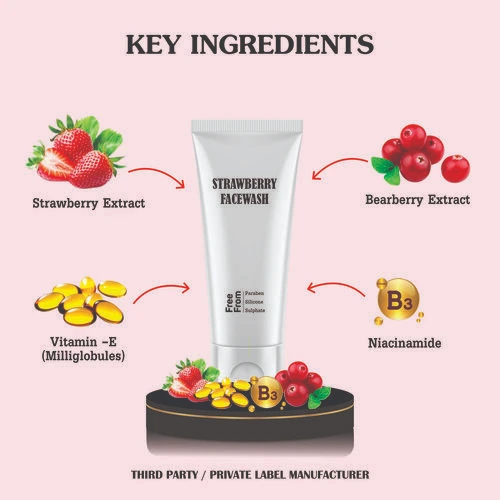
This guide is written specifically for manufacturers, formulation scientists, sourcing managers, and OEM buyers who want a structured way to evaluate strawberry extract suppliers—without marketing noise, exaggerated claims, or regulatory risk.
Why Supplier Selection Matters More Than Ingredient Price
Strawberry extract is often perceived as a “simple” fruit ingredient. In reality, its chemical composition, processing method, and quality controls vary significantly between suppliers.
Poor sourcing decisions can lead to:
- Inconsistent flavor or color across batches
- Unstable formulations or solubility issues
- Regulatory documentation gaps during audits
- Delays when scaling from pilot to mass production
A reliable strawberry extract supplier should function as a technical partner, not just a raw material vendor.
Step 1: Understand What “Strawberry Extract” Really Means
Before evaluating suppliers, buyers must first clarify what type of extract they actually need.
Strawberry extract may differ in:
- Raw material (whole fruit, pulp, juice concentrate)
- Extraction method (water extraction, ethanol extraction, hydroalcoholic)
- Concentration ratio or standardization
- Intended application (food vs supplements vs cosmetics)
A professional supplier should be able to explain these differences clearly—and recommend the appropriate option based on your formulation goals.
Step 2: Evaluate Supplier Transparency and Technical Communication
One of the strongest indicators of a reliable supplier is how they communicate technical details.
Ask yourself:
- Do they provide clear answers, or vague marketing language?
- Can they explain extraction parameters in practical terms?
- Do they proactively disclose limitations and variables?
Suppliers serving serious manufacturers should be comfortable discussing:
- Batch-to-batch variation
- Solubility behavior in different systems
- Shelf life under different storage conditions
Lack of transparency at this stage often signals future problems.
Step 3: Review Certifications and Quality Systems Carefully
Certifications alone do not guarantee quality—but absence of basic certifications is a red flag.
When sourcing strawberry extract for manufacturing, look for:
- GMP compliance (food or supplement grade as applicable)
- ISO or HACCP systems
- Documented raw material traceability
- Clearly defined quality control checkpoints
Ask to review real documentation, not just logos on a website.
Step 4: Request Core Technical Documents Before Any Bulk Order
A professional strawberry extract supplier should readily provide the following:
Essential Documents
- Certificate of Analysis (COA)
- Specification sheet (appearance, solubility, particle size)
- Safety documentation (e.g., MSDS where applicable)
- Shelf life and storage recommendations
These documents allow R&D teams to:
- Validate formulation compatibility
- Prepare regulatory submissions
- Avoid surprises during scale-up
If documentation is incomplete or delayed, treat it as a warning sign.
Step 5: Assess Manufacturing Capability, Not Just Trading Ability
Many “suppliers” are actually trading companies with limited control over production.
To reduce risk, buyers should understand:
- Whether the supplier operates its own extraction facility
- How raw materials are sourced and processed
- What in-house testing capabilities exist
Suppliers with manufacturing control are better positioned to:
- Maintain consistency
- Support custom specifications
- Respond quickly to technical issues
Step 6: Consider MOQ, Scalability, and Long-Term Supply Stability
MOQ is not just a pricing issue—it reflects how well a supplier aligns with your growth plan.
Key questions to ask:
- Can the supplier support pilot batches and later scale-up?
- Are packaging options suitable for bulk manufacturing?
- Is there flexibility for customized specifications as volumes grow?
A reliable supplier should support long-term partnerships, not just one-off transactions.
Step 7: Verify Application Experience in Your Target Industry
Strawberry extract used in food applications may not be suitable for cosmetic or supplement use.
Ask suppliers about:
- Industries they actively serve
- Typical dosage ranges used by clients
- Common formulation challenges they’ve encountered
Practical experience often matters more than theoretical claims.
Common Mistakes Buyers Make When Sourcing Strawberry Extract
Even experienced buyers sometimes fall into these traps:
- Choosing the lowest price without technical comparison
- Assuming all strawberry extracts behave the same
- Skipping sample testing under real formulation conditions
- Relying on marketing claims instead of documentation
Avoiding these mistakes can save months of reformulation and compliance work.
How This Guide Fits into a Smarter Sourcing Workflow
A well-structured sourcing process typically follows this path:
High-Authority Education → Product Specification Review → Manufacturing Capability → Inquiry
If you are evaluating strawberry extract suppliers, the next step is to review product-level specifications, quality documentation, and available customization options before initiating procurement.
👉 You can explore detailed strawberry extract specifications and sourcing options here:
https://aiherba.com/strawberry-extract/
FAQ – Strawberry Extract Supplier Evaluation
Q1: What certifications should a strawberry extract supplier have?
At minimum, GMP compliance and documented quality systems relevant to your application.
Q2: Is strawberry extract suitable for both food and supplements?
Suitability depends on processing, grade, and documentation—not all extracts are interchangeable.
Q3: Should I always request a sample before ordering?
Yes. Samples allow real formulation testing and reduce scale-up risk.
Q4: What matters more—price or extraction method?
Extraction method directly affects performance and stability, often more than price differences.
References & Regulatory Resources
- PubMed – Plant Extract Processing & Stability
https://pubmed.ncbi.nlm.nih.gov/ - FDA – Dietary Supplement Ingredient Guidance
https://www.fda.gov/food/dietary-supplements - NIH – Botanical Ingredient Research
https://www.nih.gov/ - European Commission – Food Ingredient Regulations
https://food.ec.europa.eu/
Bulk Supply & Technical Support
Get direct factory quotes, COA, and MSDS within 12 hours. We support bulk supply and custom specifications.
Fast Response via Email/WhatsApp
Get direct factory quotes, COA, and MSDS within 12 hours. We support bulk supply and custom specifications.