1. Calcium Ascorbate (CAS 5743-28-2) Bulk Supplier & GMP Manufacturer | Food / Supplement Grade | Wholesale
Bulk Calcium Ascorbate (buffered Vitamin C) supplier & GMP manufacturer. Food/supplement grade, COA/MSDS/spec available, batch traceability, global shipping, MOQ & lead time support for OEM/ODM buyers.
AIHerba® supplies Calcium Ascorbate (buffered Vitamin C) as a bulk, wholesale ingredient for brands, OEM/ODM factories, contract manufacturers, and distributors. We provide procurement-ready documentation (COA, MSDS/SDS, specification sheet), stable batch-to-batch quality, and export packaging options for global supply chains. This ingredient is widely used where formulators need vitamin C functionality with reduced acidity, supporting clean-label positioning in supplements, functional food, and selected cosmetic applications (regulatory-safe claims only).
Request pricing, MOQ, lead time, and the full technical dossier: contact us for COA, spec, and quotation.
Quick Summary
- Ingredient name: Calcium Ascorbate (Calcium L-ascorbate / Calcium Ascorbate dihydrate) (Sigma-Aldrich)
- CAS No.: 5743-28-2 (Sigma-Aldrich)
- Main applications: dietary supplements, functional food & beverage fortification, antioxidant systems, selected cosmetic formulations
- Typical purity (assay): commonly supplied to meet pharmacopeial / compendial ranges (e.g., USP assay range shown for Calcium Ascorbate) (ftp.uspbpep.com)
- Suitable industries: supplement brands & CMs, food ingredient blenders, distributors, OEM/ODM manufacturers, R&D labs
2. What Is Calcium Ascorbate?
2.1 Fact Definition
Calcium Ascorbate is a mineral salt form of vitamin C (ascorbate) that is commonly used as a dietary supplement ingredient and in food applications. The NIH notes that dietary supplements may contain vitamin C in forms such as calcium ascorbate (among other mineral ascorbates), and that research has not shown one form of vitamin C to be superior to others in general—selection is typically based on formulation needs (e.g., acidity, compatibility, labeling).
2.2 Benefits (Regulatory-Safe, Non-Medical)
- Buffered / reduced acidity vs. ascorbic acid: often selected to support gentler formulation profiles and better compatibility in certain blends (positioned as a formulation property, not a medical claim).
- Dual contribution (Vitamin C + Calcium source): supports nutrient-fortification strategies where both vitamin C and calcium labeling are relevant (final label depends on local regulations and finished-product testing).
- Commonly used antioxidant functionality: ascorbate salts are widely used for oxidation control in ingredient systems and finished goods (application-dependent).
2.3 Applications
- Dietary supplements: tablets, capsules, direct-compress blends, stick packs, effervescents (compatibility check needed).
- Functional foods & beverages: vitamin C fortification and oxidative stability strategies (validate in matrix).
- Cosmetics (selected): antioxidant-support roles in certain formulations where permitted and stable (cosmetic regulatory & stability evaluation required).
2.4 Dosage / Specification (B2B-Friendly)
- Finished-product usage is formula-dependent. For procurement and R&D, we support:
- target assay and particle size
- solubility/pH behavior
- stability expectations in your matrix
- For consumer intake questions, consult local regulations and product-specific guidance; NIH provides general vitamin C reference information (not a substitute for medical advice).
2.5 Safety (YMYL-Compliant)
- We do not claim to diagnose, treat, cure, or prevent disease.
- Safety, tolerability, and upper intake considerations for vitamin C are discussed in NIH fact sheets; these are general references and do not replace professional advice.
2.6 Supplier / Manufacturer (Why Procurement Teams Choose Us)
- B2B documentation pack: COA, SDS/MSDS, specification, traceability records (batch/lot), export docs (as required).
- Quality control & compliance alignment: supporting compendial approaches and buyer requirements (USP/FCC-style expectations where applicable). (U.S. Food and Drug Administration)
3. Detailed Technical Specifications
Notes for buyers: Calcium Ascorbate is often traded as dihydrate; confirm grade and hydrate form during RFQ to align assay calculations and labeling.
| Item | Specification (Typical / Procurement-Ready) | Notes / Test Reference |
|---|---|---|
| Chemical name | Calcium Ascorbate (Calcium L-ascorbate) (DrugFuture) | Commonly dihydrate in commerce |
| CAS No. | 5743-28-2 (Sigma-Aldrich) | |
| Empirical formula | C12H14CaO12 · 2H2O (Sigma-Aldrich) | Dihydrate form |
| Molecular weight | 426.34 (dihydrate) (Sigma-Aldrich) | Confirm on COA |
| Assay (as-is) | Typically aligned with pharmacopeial ranges (e.g., USP range shown) (DrugFuture) | Buyer spec prevails |
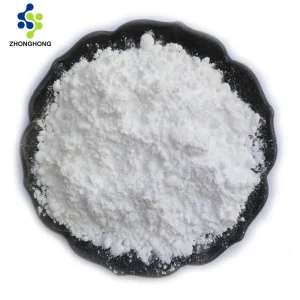
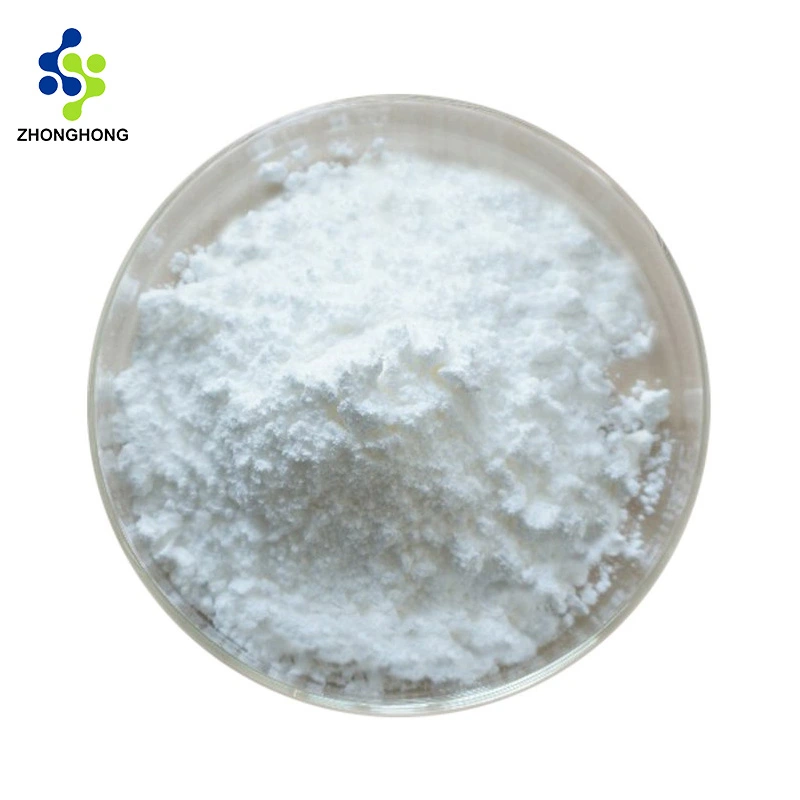
| Appearance | White to off-white crystalline powder | Visual / ID tests per spec |
| Solubility | Water-soluble (application-dependent) | Confirm in your matrix |
| Identification | Calcium reaction + ascorbate reaction described in USP monograph (DrugFuture) | Methods per compendia |
| Lead time | Quoted per order size & destination | Ask for current schedule |
| Documentation | COA, SDS/MSDS, Spec, traceability | Provided on request |
4. Product Source & Raw Material Origin
- Origin model: Vitamin C (ascorbate) derived from industrial fermentation-based supply chains, then converted into mineral ascorbate salt form under controlled conditions (supplier-specific).
- Raw material governance: incoming raw materials are verified by identity checks, vendor qualification, and risk-based contaminant screening (per buyer program and market).
- Traceability: batch coding and lot records maintained for audit support and recall readiness.
5. Mechanism of Action & Functional Properties (Non-Medical)
Calcium Ascorbate delivers ascorbate (the functional vitamin C form) in a buffered mineral-salt form, which is frequently selected for:
- Formulation compatibility: reduced acidity impact vs. ascorbic acid in certain blends (important for taste, stability, and excipient interactions).
- Redox/antioxidant role in formulations: ascorbate can function in oxidation-control systems depending on the formulation and processing conditions.
- Labeling strategy: supports vitamin C presence on supplement/food labels where compliant (finished-product testing and local rules apply).
6. Application-Relevant Benefits (Regulatory-Safe)
- Supplements: commonly used in buffered vitamin C concepts for tablets/capsules and drink mixes (consumer benefit language must remain compliant; focus on formulation role).
- Food & beverage: used in fortification and oxidation management strategies; selection depends on processing pH, heat, and packaging oxygen exposure.
- Cosmetics: used for antioxidant-support positioning where stable and compliant; often requires chelation/packaging strategy to manage oxidation (project-specific).
7. Usage Guidelines & Formulation Recommendations
For R&D / OEM buyers (practical points):
- Define target grade: food grade vs. supplement grade vs. pharmacopeial alignment (USP-style). (DrugFuture)
- Confirm hydrate form and assay basis: “as-is” vs. “anhydrous basis” changes calculations. (DrugFuture)
- Manage oxidation: minimize oxygen, metal catalysts, and high-heat exposure; consider protective packaging and compatible excipients.
- Process compatibility: for tablets, evaluate flow, compressibility, and moisture behavior; for beverage powders, evaluate caking/solubility; for liquids, evaluate pH stability and interactions.
- Pilot stability: always run accelerated and real-time stability in your finished format.
8. Traditional & Modern Industrial Applications
- Modern supplement manufacturing: buffered vitamin C positioning, mineral-ascorbate blends, direct-compression systems, sachets.
- Food ingredient blending: premixes and fortification systems for functional foods and beverages.
- R&D innovation: delivery-format research (e.g., encapsulation and liposomal systems often discussed in the broader vitamin C delivery literature).
9. COA & Quality Control Specifications
Procurement note: The tables below reflect commonly requested control items in international supply chains. Final limits are set to your market + finished-product category + internal standards and can be aligned to compendial approaches (USP-style identity/assay; elemental impurities frameworks, etc.). USP describes modern elemental impurity risk concepts in <232>/<2232>-related materials. (usp.org)
9.1 Pesticide Residues
| Pesticide Item | Limit (Example Screening Target) | Test Method (Typical) |
|---|---|---|
| Organophosphates (multi-residue) | Each compound: NMT 0.01 mg/kg (screening target) | GC-MS/MS |
| Organochlorines (multi-residue) | Each compound: NMT 0.01 mg/kg (screening target) | GC-MS/MS |
| Pyrethroids (multi-residue) | Each compound: NMT 0.01 mg/kg (screening target) | GC-MS/MS |
| Carbamates (multi-residue) | Each compound: NMT 0.01 mg/kg (screening target) | LC-MS/MS |
| Glyphosate & AMPA (if required) | As per buyer requirement | LC-MS/MS |
9.2 Heavy Metals / Elemental Impurities (Buyer-Facing)
| Element | Limit (Common Buyer Targets) | Test Method |
|---|---|---|
| Lead (Pb) | NMT 0.5–1.0 ppm (or per your program) | ICP-MS / ICP-OES |
| Arsenic (As) | NMT 1.0 ppm (or per your program) | ICP-MS / ICP-OES |
| Cadmium (Cd) | NMT 1.0 ppm (or per your program) | ICP-MS / ICP-OES |
| Mercury (Hg) | NMT 0.1 ppm (or per your program) | ICP-MS (Hg mode) |
9.3 Microbiological Specifications (Typical for Supplement Ingredients)
| Micro Item | Limit (Typical) | Test Method |
|---|---|---|
| Total Aerobic Microbial Count (TAMC) | NMT 10,000 CFU/g | USP <61> / ISO method |
| Total Yeast & Mold (TYMC) | NMT 1,000 CFU/g | USP <61> / ISO method |
| Escherichia coli | Absent in 10 g | USP <62> / ISO method |
| Salmonella | Absent in 25 g | USP <62> / ISO method |
| Staphylococcus aureus (if required) | Absent in 10 g | ISO method |
| Pseudomonas aeruginosa (if required) | Absent in 10 g | ISO method |
10. Manufacturing Process & Production Flow
Typical industrial flow (high-level, non-confidential):
- Raw material qualification → ID and purity verification
- Salt formation → controlled reaction of ascorbate source with calcium base (process parameters controlled)
- Purification / crystallization → impurity reduction and consistent particle characteristics
- Drying → moisture control to target spec
- Milling & sieving → particle size standardization for manufacturing performance
- Blending (if required) → homogeneity
- Metal detection / foreign matter control
- Packaging → barrier packaging to reduce moisture/oxygen exposure
- Final QC release → COA issuance, batch traceability archiving
11. Storage, Shelf Life & Packaging
- Storage: tight, light-resistant containers recommended by compendial references for Calcium Ascorbate. (DrugFuture)
- Shelf life: depends on grade, packaging, and storage; confirm on COA and your stability plan.
- Packaging options (export-ready): 25 kg fiber drum / carton with inner PE liners; other formats on request (sampling, small batch R&D).
- Shipping: air/sea options; documentation support for customs clearance.
12. MOQ, Sample Policy & Global Shipping
- MOQ: based on grade and packaging (request a quote).
- Samples: available for qualified B2B buyers (R&D validation; shipping cost rules apply).
- Global shipping: Incoterms and documentation per destination market (COA, SDS/MSDS, packing list, invoice, COO if needed).
- Lead time: quoted per production schedule and route.
13. Clinical Data & Scientific Research (Reference Only; No Medical Conclusions)
- NIH ODS states supplements can contain vitamin C as calcium ascorbate, and that research has not shown one form of vitamin C to be better than others in general—form choice is often driven by formulation considerations. (饮食补充剂办公室)
- A 2024 paper discussing vitamin C delivery formats examines formulation approaches (e.g., liposomal delivery) in the broader vitamin C space; this informs industrial R&D but does not imply clinical superiority for a specific salt form in all contexts. (Springer)
- Research articles explore advanced delivery systems using calcium ascorbate in formulation development (materials/engineering focus). (皇家化学学会出版)
- A systematic review article discussing enhanced vitamin C delivery includes calcium ascorbate–related formulations and tolerability outcomes; interpret within product category, dose, and study design limitations. (MDPI)
14. Applicable Industries
- Dietary supplement brands & contract manufacturers (CMs)
- OEM/ODM private label factories
- Food ingredient blenders / premix manufacturers
- Functional beverage powder producers
- Distributors and importers (regional channels)
- Cosmetic formulators (case-by-case compliance & stability)
15. Industry Application Scenarios (Real B2B Use Cases)
- OEM Tablet Line (Buffered Vitamin C Concept):
A contract manufacturer uses calcium ascorbate to reduce acidity impact in a direct-compression tablet blend, targeting improved manufacturability and consumer experience. Procurement focuses on assay consistency, particle size, moisture, and full documentation (COA/SDS/spec). - Functional Beverage Premix (Fortification + Stability):
A premix producer uses calcium ascorbate in a multi-vitamin powder for beverage applications. Key evaluation points include solubility in the target matrix, sensory impact, caking control, and oxidation management during shelf life. - Distributor Qualification (Multi-Market Compliance):
A distributor supplies calcium ascorbate to multiple countries and requires batch traceability, stable lead times, export documents, and contaminant programs (micro/heavy metals screening aligned to buyer requirements).
16. Supplier Comparison & Procurement Guide
How to qualify a Calcium Ascorbate bulk supplier/manufacturer (buyer checklist):
- Identity & grade clarity: CAS, hydrate form, assay basis, and grade definition (food/supplement/pharmacopeial). (DrugFuture)
- Documentation completeness: COA, SDS/MSDS, specification sheet, traceability statement, allergen/GMO statements where applicable.
- Quality system evidence: GMP scope, QC capabilities, change control, complaint handling, and audit readiness.
- Risk controls: elemental impurities framework awareness (USP <232>/<2232>-style thinking) and microbial controls. (usp.org)
- Supply reliability: lead time, capacity, packaging, and export experience (Incoterms + document accuracy).
- Commercial transparency: MOQ, price breakpoints (bulk/wholesale), sampling policy, and after-sales support.
17. FAQ for B2B Buyers
- Is this Calcium Ascorbate dihydrate or anhydrous?
Calcium Ascorbate is frequently supplied as a dihydrate in commerce; the hydrate form should be confirmed on the COA and specification sheet. (Sigma-Aldrich) - Which grade should I purchase (Food vs. Supplement vs. Pharmacopeial-aligned)?
Choose based on your finished-product category, target market, and customer audits. We support documentation packs and can align testing to your program. - Can you provide COA, SDS/MSDS, and a full specification sheet before purchase?
Yes—COA/SDS/spec are available for qualified B2B buyers upon request (NDA supported if needed). - What is your typical lead time for bulk orders?
Lead time depends on grade, quantity, packaging, and route. Share destination and target timeline for an accurate production/shipping plan. - Do you test for heavy metals and microbiology?
Yes—testing can be provided per buyer specification, with common panels including elemental impurities and microbial limits (methods such as ICP-MS and USP/ISO microbiology approaches). (uspnf.com) - Can you support OEM/ODM projects using Calcium Ascorbate?
Yes—AIHerba supports OEM/ODM and formulation-oriented procurement needs (spec selection, stability planning inputs, packaging options).
18. On-Page SEO Placement Notes (Title/H1/H2/Table/CTA/Alt/Internal Links)
Primary commercial keywords naturally covered in this page:
Supplier, Manufacturer, Bulk, Wholesale, GMP, Grade, Specification, COA, Pricing, MOQ, Lead Time, Manufacturing Process, Quality Control, Regulatory Compliance, Industrial Application.
19. References & Regulatory Sources (URLs + What They Support)
Below are authoritative references you can cite on-page (and link in your “References” section):
NIH Office of Dietary Supplements (ODS) – Vitamin C Fact Sheets
- Health Professional: https://ods.od.nih.gov/factsheets/VitaminC-HealthProfessional/
  (Mentions vitamin C overview, forms, safety/tolerability considerations, regulatory-safe context)
- Consumer PDF: https://ods.od.nih.gov/pdf/factsheets/VitaminC-Consumer.pdf
  (States supplements may contain calcium ascorbate; notes no form proven “better” generally)

USP – Calcium Ascorbate Monograph (historical view)
- USP monograph page (public mirror): https://ftp.uspbpep.com/v29240/usp29nf24s0_m11410.html
  (Identification + assay approach for Calcium Ascorbate)

USP – Elemental Impurities (limits framework)
- USP <232> PDF (overview): https://www.usp.org/sites/default/files/usp/document/our-work/chemical-medicines/key-issues/c232-usp-39.pdf
- USP notice about <231> transition to <232>/<2232>: https://www.uspnf.com/official-text/revision-bulletins/general-chapter-heavy-metals-and-affected-monographs-and-general-chapters

FDA – Food Ingredient Chemistry Reference Documents
- https://www.fda.gov/food/food-additives-petitions/food-ingredient-chemistry-reference-documents
  (Points to reference documents for purity specifications/methods used in food ingredients)

Food Chemicals Codex (FCC) – Monograph access portal (download index)
- https://nap.nationalacademies.org/resource/fcc/
  (Official portal explaining FCC monographs and purity/specification approach)
Supporting citations used in this page: NIH ODS fact sheets , USP monograph mirror (ftp.uspbpep.com), FDA reference documents (U.S. Food and Drug Administration), USP elemental impurities framework (usp.org), chemical identity references (Sigma-Aldrich), and formulation research references .
Manufacturer & Quality Assurance
Manufactured by AIHerba® (Shaanxi Zhonghong Investment Technology Co., Ltd.),
a GMP-certified manufacturer specializing in high-purity botanical extracts
for dietary supplements, cosmetics, and pharmaceutical applications.
✔ GMP-certified production facility
✔ Full COA & technical specifications available
✔ Batch traceability & strict quality control
✔ Bulk supply & OEM/ODM services for global B2B buyers
📧 sales@aiherba.com
| info@aiherba.com
| liaodaohai@gmail.com
🌐 www.aiherba.com
If you are looking for a bulk supplier / OEM manufacturer of Calcium Ascorbate, contact us for specifications, COA, and pricing.
Bulk Supply & Technical Support
Get direct factory quotes, COA, and MSDS within 12 hours. We support bulk supply and custom specifications.