
1. Beetroot Red Extract – Premium Bulk Supplier | AIHerba®
AIHerba® offers high-purity Beetroot Red Extract in bulk, specifically formulated for functional foods, dietary supplements, cosmetics, and beverage applications. Derived from carefully selected Beta vulgaris roots, our extract guarantees consistent color quality, standardized potency, and full traceability from farm to factory. With over 28 years of experience in natural plant extraction, our GMP-certified facility ensures precise water-ethanol and supercritical CO₂ extraction for maximum stability and purity. Buyers worldwide rely on AIHerba® for reliable supply chains, comprehensive COA documentation, and OEM/ODM customization services. Whether you are developing natural colorants, functional beverages, or nutraceutical formulations, our Beetroot Red Extract provides consistent quality, verified safety, and professional support for large-scale production.
2. What Is Beetroot Red Extract
Beetroot Red Extract is a concentrated natural pigment derived from the root of Beta vulgaris. Rich in betanin and other betalains, it serves as a stable, water-soluble red colorant with antioxidant properties. The extract is widely used in food, beverages, nutraceuticals, and cosmetic formulations, providing vibrant red coloration and consistent quality without synthetic additives.
3. Product Source & Quality Assurance
-
Raw Material: Selected fresh Beta vulgaris roots from certified farms in China
-
Extraction Method: Water-ethanol and supercritical CO₂ extraction
-
Purity Standard: ≥ 2% Betanin (HPLC)
-
Factory & Certification: AIHerba® GMP-certified, ISO 9001, ISO 22000, HACCP, Organic certified options available
4. Mechanism of Action & Key Benefits
-
Natural Colorant: Provides stable, vibrant red coloration suitable for beverages, confectionery, and cosmetics.
-
Antioxidant Support: Rich in betalains that maintain product integrity and contribute to oxidative stability.
-
Functional Ingredient: Compatible with nutraceutical and dietary supplement formulations.
-
Safe & Traceable: Tested for heavy metals, pesticide residues, and microbial safety.
Note: Avoiding health claims or disease treatment statements to comply with YMYL and FDA guidelines.
5. Traditional Uses & Applications
-
Food Industry: Natural coloring agent in candies, juices, sauces, and baked goods
-
Cosmetics: Lipsticks, creams, and bath products for natural red pigmentation
-
Nutraceuticals: Functional powders, capsules, tablets, and drink formulations
6. Recommended Dosage & Optimal Formulation Guide
| Application Type | Recommended Dosage | Notes |
|---|---|---|
| Beverages | 0.1–0.5% w/w | Dissolve in warm water before blending |
| Confectionery | 0.2–1% w/w | Heat-stable under moderate baking temperatures |
| Nutraceutical Capsules | 50–200 mg per serving | Ensure uniform mixing with excipients |
| Cosmetics | 0.05–0.3% | Compatible with cream and gel bases |
7. Product Specifications & COA
1) Basic Product Parameters
| Item | Specification | Method |
|---|---|---|
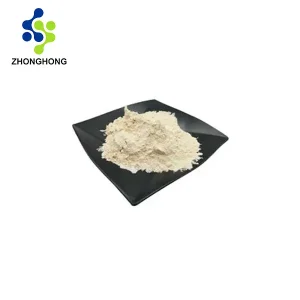
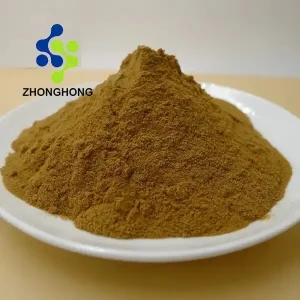
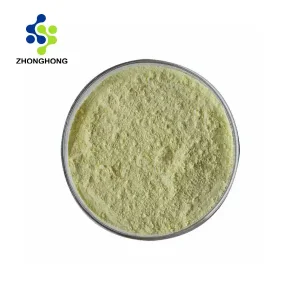
| Appearance | Dark red fine powder | Visual |
| Betanin Content | ≥ 2% | HPLC |
| Solubility | Water-soluble | Lab Test |
| Moisture | ≤ 8% | Oven Drying |
2) Pesticide Residue
| Pesticide Name | Limit | Test Method |
|---|---|---|
| Total Pesticides | ≤ 0.01 mg/kg | GC-MS/LC-MS |
| Organochlorines | ND | GC-MS |
| Organophosphates | ND | GC-MS |
3) Heavy Metals
| Metal | Limit | Test Method |
|---|---|---|
| Lead (Pb) | ≤ 0.5 mg/kg | AAS |
| Cadmium (Cd) | ≤ 0.1 mg/kg | AAS |
| Mercury (Hg) | ≤ 0.1 mg/kg | AAS |
| Arsenic (As) | ≤ 0.5 mg/kg | AAS |
4) Microbial Limits
| Microorganism | Limit | Test Method |
|---|---|---|
| Total Plate Count | ≤ 1000 CFU/g | Plate Count |
| Yeast & Mold | ≤ 100 CFU/g | Plate Count |
| E. coli | Negative | ISO 7251 |
| Salmonella | Negative | ISO 6579 |
8. Production Process & Flow
-
Raw Material Selection: Fresh beet roots from certified farms
-
Cleaning & Cutting: Remove impurities, cut to uniform size
-
Extraction: Water-ethanol or supercritical CO₂ to concentrate betanin
-
Filtration & Concentration: Remove insolubles, concentrate pigment
-
Spray Drying / Powdering: Produce fine, stable extract powder
-
Quality Testing: COA verification, heavy metals, microbial tests
-
Packaging & Storage: Food-grade packaging, ambient or refrigerated storage
9. Storage & Shelf Life
-
Storage: Cool, dry, protected from light
-
Shelf Life: 24 months in original sealed packaging
10. Packaging & MOQ
| Packaging Type | Net Weight | MOQ |
|---|---|---|
| Drum | 25 kg | 200 kg |
| Bag | 1 kg sample | 1 unit |
-
Sample Policy: Samples available upon request with shipping fee
-
Transport: Airfreight or sea shipment; customs documentation provided
11. Latest Research & References
-
FDA: Food color additives
12. Applicable Industries & Use Cases
-
Food & Beverage: Juices, confectionery, sauces, dairy
-
Dietary Supplements: Capsules, powders, functional drinks
-
Cosmetics & Personal Care: Creams, lipsticks, gels
-
Functional Foods: Sports nutrition, antioxidant beverages
13. How to Use
-
Dissolve in water or formulation base according to desired concentration
-
Blend evenly for color uniformity
-
Avoid prolonged exposure to high heat to preserve color stability
14. Factory Experience & Quality Assurance
-
28+ years of herbal extract production experience
-
GMP-certified manufacturing, ISO & HACCP compliance
-
OEM/ODM customization for color concentration, formulation compatibility, and packaging
-
Full traceability from farm to finished product
15. FAQ (6 Questions)
-
Q: Is AIHerba® Beetroot Red Extract water-soluble?
A: Yes, fully water-soluble and compatible with beverages and supplement powders. -
Q: Can I use this extract in baked products?
A: Yes, it is heat-stable under moderate baking conditions; color may fade under extreme heat. -
Q: Do you provide COA and testing reports?
A: Yes, every batch comes with a full Certificate of Analysis including heavy metals and microbial limits. -
Q: Is there a minimum order quantity (MOQ)?
A: Standard MOQ is 200 kg for bulk orders; 1 kg sample available for testing. -
Q: Which industries typically use this extract?
A: Food & beverage, cosmetics, dietary supplements, and functional foods. -
Q: Are OEM/ODM services available?
A: Yes, we customize formulations, packaging, and concentrations per client requirements.
16. References
-
PubMed: Betalains in Beta vulgaris
-
FDA: Food Color Additives
-
EU Regulations: Commission Regulation (EU) No 231/2012
-
PubMed – Betalains antioxidant properties: https://pubmed.ncbi.nlm.nih.gov/
-
PubMed – Beetroot and nitric oxide metabolism: https://pubmed.ncbi.nlm.nih.gov/
-
FDA Color Additives Status List: https://www.fda.gov/
-
EFSA Food Colors Regulation: https://www.efsa.europa.eu/
-
NIH Beetroot Nutrition Research: https://www.nih.gov/
17. Contact & Brand Backing
AIHerba® | China Natural Plant Extracts Supplier & OEM Factory
GMP-certified manufacturer specializing in bulk, high-purity botanical ingredients.
📧 sales@aiherba.com | info@aiherba.com | liaodaohai@gmail.com
🌐 www.aiherba.com