
Introduction
As global demand for functional foods and dietary supplements continues to grow, ingredient selection has become a strategic decision rather than a purely technical one. Today’s manufacturers are not only looking for ingredients with a strong traditional background, but also for stable quality, regulatory clarity, and reliable supply chains.
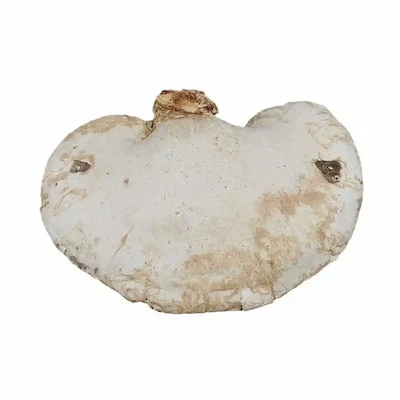
Among various mushroom-derived ingredients, White Ganoderma Extract has gained attention for its formulation flexibility and compatibility across different product categories. From capsules and powders to functional beverages, it is increasingly used by brands seeking plant-based, traditionally recognized ingredients without aggressive positioning.
This article is written for brand owners, formulators, and procurement managers who want to understand White Ganoderma Extract from a commercial and sourcing perspective. Rather than focusing on product claims, this guide explores how the ingredient is positioned in modern formulations, how it is typically applied, and what professional buyers should consider when working with a white ganoderma extract supplier or manufacturer.
What Is White Ganoderma Extract? (Ingredient-Level Overview)
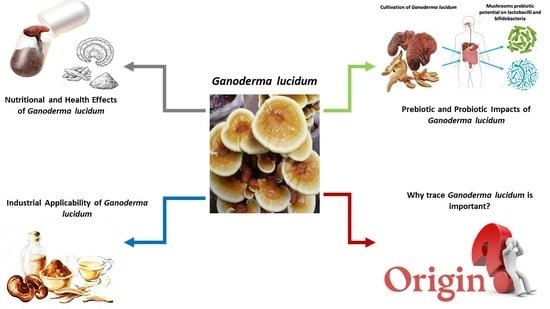
White Ganoderma Extract is derived from Ganoderma species traditionally used in botanical and food-related applications. Within the industry, it is often discussed alongside Red Reishi (Ganoderma lucidum), though the two are selected for different formulation goals.
From a manufacturing standpoint, White Ganoderma Extract is valued less for single-ingredient positioning and more for its role in balanced formulations. It is commonly incorporated into:
- Functional food products
- Dietary supplement blends
- Multi-ingredient botanical formulations
Unlike consumer-facing descriptions, professional buyers typically evaluate this ingredient based on raw material sourcing, processing consistency, and compatibility with other components, rather than standalone marketing narratives.
In commercial formulations, White Ganoderma Extract is valued more for formulation balance and consumer acceptance than for single-claim positioning.
This ingredient-level view is essential when working with a ganoderma extract OEM manufacturer or sourcing in bulk.
Why White Ganoderma Is Used in Modern Formulations (Non-Therapeutic Perspective)
In modern product development, ingredient selection often begins with formulation practicality. White Ganoderma Extract is frequently chosen for reasons that go beyond traditional recognition.
Formulation Compatibility
- Mild sensory profile compared to some other mushroom extracts
- Flexible use across capsules, powders, and beverage systems
- Compatible with a wide range of botanical and mushroom ingredients
Synergy with Other Ingredients
In multi-ingredient formulas, White Ganoderma Extract is commonly combined with:
- Other mushroom extracts
- Plant-based adaptogen-style botanicals
- Functional fibers or fermentation-derived ingredients
This makes it suitable for botanical extract for dietary supplements where balance and consistency are priorities.
Alignment with Market Trends
- Clean-label product positioning
- Plant-based and traditional ingredient sourcing
- Increasing consumer interest in mushrooms as functional food components
From a B2B perspective, these trends influence why procurement teams increasingly include White Ganoderma Extract in their sourcing discussions.
Common Application Scenarios in B2B Manufacturing
Dietary Supplements
In dietary supplement manufacturing, White Ganoderma Extract is typically used in:
- Capsules and tablets
- Powder blends
- Multi-ingredient wellness formulations
Rather than being marketed as a single hero ingredient, it often plays a supporting role within broader formulations, which aligns well with regulatory expectations.
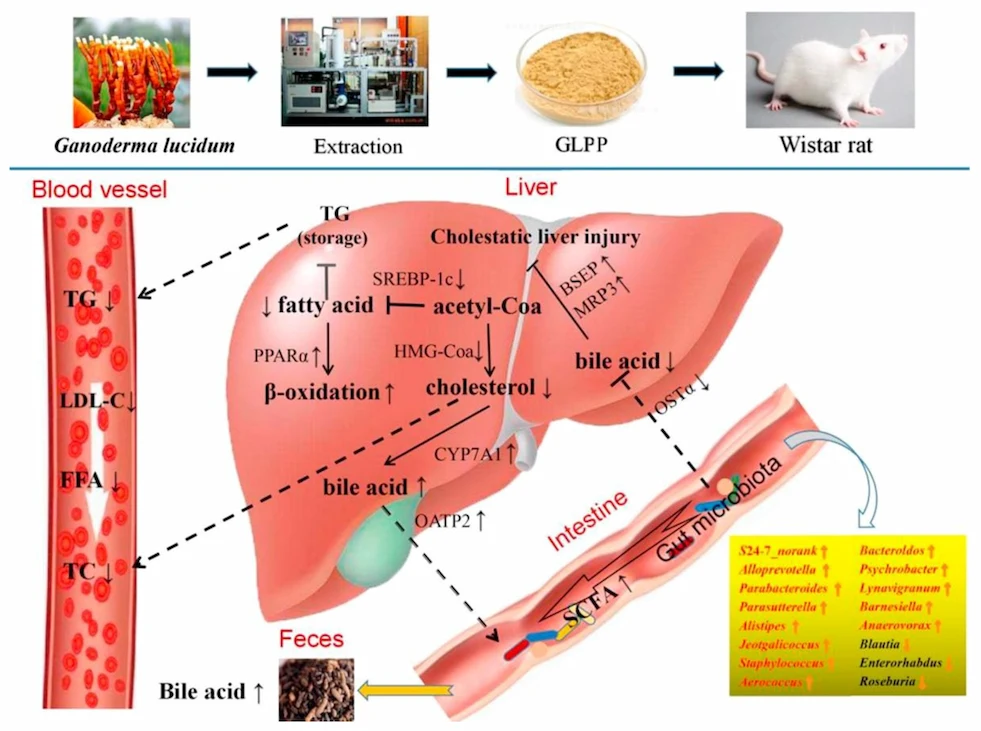
Functional Beverages & Foods
For functional food developers, White Ganoderma Extract is incorporated into:
- Instant powder blends
- Functional coffee and tea products
- Nutrition bars and plant-based food formats
Its compatibility with beverage systems makes it attractive for manufacturers seeking mushroom extract for functional food applications.
OEM / Private Label Products
OEM clients frequently select White Ganoderma Extract due to:
- Flexible formulation positioning
- Stable long-term supply options
- Ease of integration into existing product lines
This is where working with a white ganoderma extract manufacturer with OEM experience becomes critical.
Quality Considerations When Sourcing White Ganoderma Extract
Quality evaluation is one of the most important steps in bulk ingredient sourcing. For professional buyers, the conversation typically starts long before pricing.
Raw Material Traceability
Understanding where and how raw materials are sourced helps buyers assess long-term stability and compliance risks.
Extraction Process Transparency
Reputable suppliers are expected to clearly communicate:
- General extraction approach
- Quality control checkpoints
- Consistency management across batches
Batch-to-Batch Consistency
Consistency is essential for large-scale production, especially when working with bulk white ganoderma extract for standardized formulations.
Third-Party Testing
Independent testing plays a key role in supplier evaluation.
Professional buyers usually request detailed COA and production documentation before final approval.
These documents are typically reviewed at the product page stage rather than within educational content.
Regulatory & Compliance Landscape (Global Perspective)
From a global market perspective, compliance awareness is essential when sourcing botanical ingredients.
United States
White Ganoderma Extract is commonly positioned as a dietary supplement ingredient under FDA regulations. Labeling and claims must align with structure-function guidelines rather than medical claims.
European Union
In the EU, botanical ingredients may fall under traditional use frameworks or Novel Food assessments depending on processing methods and historical use.
Claims & Labeling Boundaries
Across markets, responsible manufacturers avoid disease-related language and focus on ingredient identity and formulation role.
A clear understanding of regulatory boundaries reduces risk and builds long-term brand trust.
How to Choose the Right White Ganoderma Extract Manufacturer
For procurement teams, selecting the right partner goes beyond ingredient availability.
Manufacturer vs. Trading Company
Direct manufacturers often provide:
- Greater process transparency
- Faster technical communication
- Better control over consistency
OEM & Technical Support
An experienced ganoderma extract OEM manufacturer can assist with:
- Formulation alignment
- Documentation preparation
- Scale-up planning
Communication & Documentation
Reliable response times and clear documentation workflows are critical during sourcing and approval stages.
Supply Stability
Long-term availability and production planning are especially important for brands targeting international markets.
For brands planning long-term production, working directly with an experienced manufacturer often reduces risk and improves consistency.
From Ingredient Knowledge to Supply Chain Confidence
Understanding an ingredient is only the first step. Professional buyers typically move from education to evaluation, then to supplier engagement.
This process often includes:
- Reviewing technical documentation
- Evaluating sample performance
- Assessing factory capabilities
At this stage, buyers transition from educational content to product pages, factory profiles, and direct technical discussions.
Frequently Asked Questions (FAQ)
What is White Ganoderma Extract mainly used for?
It is commonly used in dietary supplements, functional foods, and botanical blends as part of multi-ingredient formulations.
Is White Ganoderma Extract suitable for dietary supplements?
Yes, it is widely used as a dietary supplement ingredient when sourced and labeled according to applicable regulations.
How do manufacturers ensure extract quality?
Quality is managed through raw material control, standardized processing, and third-party testing.
What documents are usually required for bulk sourcing?
Buyers typically request COA, technical specifications, and compliance-related documentation.
How is White Ganoderma different from other mushroom extracts?
It is often selected for formulation balance and compatibility rather than single-ingredient positioning.
References & Further Reading
- PubMed – Ganoderma research overview: https://pubmed.ncbi.nlm.nih.gov
- NIH – Dietary supplement ingredient information: https://ods.od.nih.gov
- FDA – Dietary Supplement Health and Education Act (DSHEA): https://www.fda.gov
- EFSA – Botanical ingredient guidance: https://www.efsa.europa.eu
(References provided for general information and regulatory context, not for product claims.)
Final Call to Action
If you are evaluating White Ganoderma Extract for formulation or sourcing purposes, the next step is a technical discussion.
- Discuss Your Formulation Requirements
- Request Technical Documents & Samples
- Talk to a Raw Material Specialist
- Wasser, S.P. (2011). Present findings, future developments, and unsolved issues in research of medicinal mushrooms. Utilized Microbiology and Biotechnology
- Patel, S., Goyal, A. (2012). Latest developments in mushrooms as anti-cancer therapeutics: a overview. 3 Biotech
- PubChem Compound Abstract: Ganoderma lucidum Extract
- Shaanxi Zhonghong Product Information Sheet: White Ganoderma Extract Specification – aiherba.com