
01 / AIHerba® · Company Strength · Botanical ingredient experience since 1997
Botanical Ingredient R&D, Manufacturing & Technical Capabilities
From material specification to a commercially viable ingredient supply.
AIHerba®, a brand of Shaanxi Zhonghong Investment Technology Co., Ltd., supports B2B manufacturers with standardized botanical extracts, specialty functional ingredients and project-specific manufacturing and analytical solutions. We help R&D, quality assurance and procurement teams align the selected grade, processing requirements, evidence and commercial supply before purchasing.
For R&D & Formulation Teams
Define target assay, ingredient composition, particle size and application constraints. Review grade options and a practical evaluation plan.
For Procurement & QA Teams
Clarify the manufacturing source, product specifications, available batch evidence, supply terms and qualification requirements.
02 / CORE TECHNICAL CAPABILITIES
Six Capabilities That Support Ingredient Development
The relevant capability is determined by the material, target specification and intended use. Our technical review connects the requested ingredient with a suitable processing and verification pathway.
Botanical Identity & Extraction
Review species, plant part, extract composition and target marker. Evaluate water–ethanol or other appropriate extraction routes.
Botanical identity · DER · extraction solvent
Separation & Purification
Evaluate enriched extracts or isolated compounds against assay and impurity requirements, rather than relying on a purity headline alone.
Marker enrichment · impurity profile · assay basis
Fermentation & Enzyme-Assisted Processing
For selected ingredients, assess fermentation or enzymatic processing against the biological source, composition and target use.
Culture source · substrate · process route
Powder & Physical Engineering
Consider particle-size distribution, moisture, flow, dispersion and carrier composition for the actual dosage form or formulation.
D90 · bulk density · dispersion conditions
Custom Blending & Premix
Assess ingredient ratios, blend compatibility, handling and pilot requirements before confirming a custom premix supply route.
Blend uniformity · formulation ratios · packaging
Analytical & Quality Evaluation
Select the analytical approach according to the target marker, identity, potential contaminants and buyer acceptance criteria.
HPLC · GC · ICP-MS · method-specific evidence
Not every processing route, test or manufacturing option applies to every material. Confirm the applicable manufacturing location, method and documentation for the proposed grade.
Explore custom ingredient solutions03 / PROCESS SELECTION
Match the Manufacturing Route to the Ingredient
A technically suitable route is chosen by balancing target composition, material sensitivity, solvent requirements and downstream handling. The same botanical name can represent materially different grades.
| Target requirement | Process pathway to evaluate | Buyer review points |
|---|---|---|
| Standardized botanical extract | Water or ethanol extraction, concentration and standardization | Plant part, DER, marker assay, carrier percentage |
| Lipophilic botanical fraction | Ingredient-specific extraction, including supercritical CO₂ where suitable | Target fraction, solvent history, composition and oxidation control |
| High-purity active | Separation, enrichment, purification or recrystallization where suitable | Identity, individual impurities, assay basis and residual solvents |
| Selected fermentation-derived material | Culture, fermentation and downstream processing | Biological source, substrate, target marker and process declaration |
| Application-specific powder | Drying, sieving, size adjustment or carrier-based processing | Particle size, moisture, dispersibility and carrier declaration |
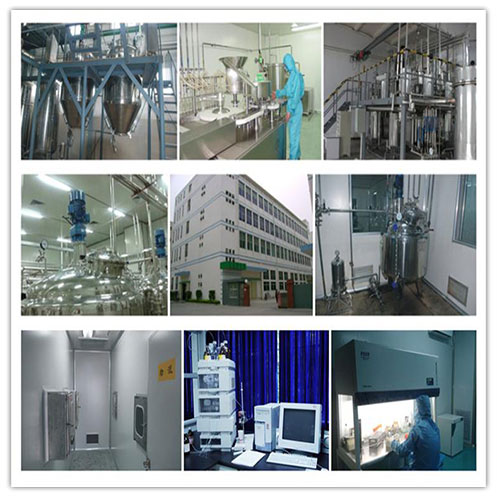
What should be agreed before scale-up?
Define the target composition, acceptable process inputs, solvent restrictions and finished-grade acceptance criteria. Review the sample against its intended use before fixing the commercial specification.
Explore manufacturing facilitiesExplore material traceability
04 / ANALYTICAL PLATFORM
Analytical Methods and What They Can Establish
A test result is meaningful only when the method, target analyte, units, reference basis and sample identity are clear. The analytical panel should be matched to the selected material.
| Method | Typical evaluation purpose | What to request |
|---|---|---|
| HPLC / UPLC | Marker assay, selected purity or chromatographic profiles | Target analyte, reference standard, assay basis; chromatogram if available |
| GC / GC-MS | Volatile constituents or residual solvents with a suitable method | Solvent list, acceptance limits, relevant test report |
| LC-MS/MS / HRMS / NMR | Selected identity, structural or targeted impurity investigations | Method scope, interpretation and supporting spectrum where relevant |
| ICP-MS | Elemental impurities and specified metals | Individual element results, units and agreed limits |
| HPTLC / UV-Vis | Selected botanical fingerprints or suitable spectrophotometric assays | Identity reference or assay specificity; avoid treating non-equivalent methods as interchangeable |
| Enzymatic assay / ELISA | Specific polysaccharide or allergen-related questions where a suitable method is applicable | Matrix suitability, method or kit, reporting units and detection limits |
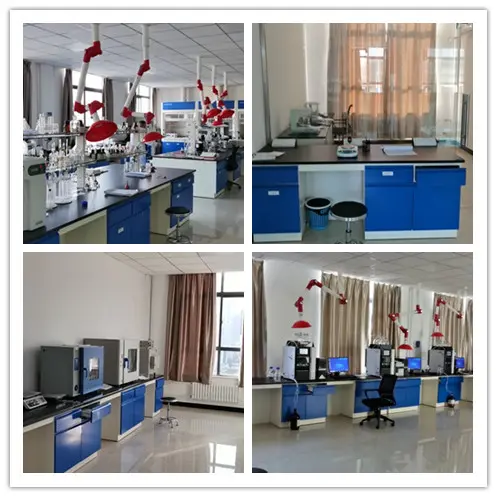
COA review is not just a pass or fail.
Compare the batch number, specification, method and actual result. Where relevant, agree on individual impurity limits, residual solvent limits, LOD/LOQ and whether the assay is reported on a dry basis or as supplied. Independent laboratory evaluation can be discussed where required.
Explore analytical integrityExplore batch quality and consistency
This matrix explains analytical applications, not a claim of universal in-house testing, accreditation or test availability for every lot.
05 / SUPPLIER QUALIFICATION
Build a Product-Specific Supplier Qualification File
Procurement and QA teams should assess the legal supplier, actual manufacturing site and supplied grade together. Documents and certification scope must match the selected material, intended market and order requirements.
Company & Manufacturing Scope
Confirm legal supplier information, manufacturing responsibility, country of origin and site identification as applicable.
Company identity · manufacturing site · scope
Quality & Batch Evidence
Request the current specification, available batch COA, TDS and SDS as applicable. Discuss supplemental testing or sample approval if needed.
Assay · contaminants · lot-specific records
Regulatory & Certification Review
Discuss the intended country, product category and applicable standards. Review GMP, ISO, HACCP, Halal or Kosher evidence when relevant and available.
Certificate scope · issuer · validity · market
Commercial & Logistics Review
Agree on the offered grade, MOQ, packaging, production lead time and shipping terms. FOB/FCA or DDP options can be assessed for the shipment.
Quote basis · delivery destination · order volume
Examples of frameworks to review include dietary supplement cGMP requirements, product-specific USP methods and ICH Q3C for relevant pharmaceutical residual-solvent requirements. These are not universal ingredient approvals or certifications.
Explore regulatory resourcesView sourcing and qualification guide
06 / PRACTICAL TECHNICAL QUESTIONS
How We Approach Ingredient Selection Challenges
The following are illustrative project scenarios, not claims of completed customer projects or measured outcomes. They show the type of technical question to address before commercial purchasing.
Fermentation-Derived L-Theanine
If a buyer requires a non-chemical-synthesis route, review the actual manufacturing declaration, chemical identity and assay of the offered grade.
Review output: source declaration and grade specification.
Mushroom Beta-Glucan & Active Markers
Separate fruiting-body and mycelium materials. Match beta-glucan testing or HPLC marker assay to the actual procurement specification.
Review output: source, marker and method comparison.
Oat Beta-Glucan for Food or Cosmetics
Compare intended use, composition, dispersibility, microbiology and gluten testing where required. Do not assume food and cosmetic grades are interchangeable.
Review output: grade selection and evaluation criteria.
07 / PROJECT WORKFLOW
From Technical Requirement to Commercial Supply
Use a clear project sequence to reduce specification ambiguity, unnecessary sampling and quotation revisions. Each stage is agreed with the buyer according to project scope.
- DefineIngredient, intended use, assay, method, target market and volume.
- EvaluateReview grade, processing route, documentation and sample options.
- QualifyAgree on acceptance criteria, evaluation results and commercial specification.
- SupplyConfirm order quantity, packing, timing, batch documentation and shipping terms.
Choose the right development route
For dispersion, compatibility or powder-handling problems, explore formulation engineering. For a defined formula, blend ratios and commercial premix supply, explore OEM/ODM ingredient manufacturing.
Formulation engineeringOEM/ODM ingredient manufacturing
08 / BUYER FAQ
Frequently Asked Technical & Procurement Questions
Clarify what to review before selecting a grade or beginning a supplier qualification process.
Can you manufacture a custom botanical extract to our specification?
Custom specifications can be evaluated. Provide the botanical or chemical identity, target marker, assay method, allowed solvents, carrier restrictions and expected quantity. Feasibility, MOQ and timing are agreed before a commercial commitment.
Do you conduct every analytical test in-house?
No single analytical panel applies to all products. The method, testing location, supporting evidence and any third-party testing requirements should be clarified for the selected grade.
Can we request a batch COA and chromatogram before purchase?
Request the available lot-specific COA and supporting chromatogram where relevant. Availability depends on the lot, analytical method and document access; additional testing can be discussed.
Can you support supplier audits and certification review?
Discuss the required qualification scope, manufacturing site, quality standards, documentation and any audit arrangements with our team. Certifications must be reviewed for their actual scope and validity.
Can we move from evaluation samples to bulk supply?
Sample, pilot and commercial order options can be discussed according to the ingredient, available grade and quantity. Confirm lead time and packaging with the quotation.
Do you offer DDP delivery?
DDP options may be evaluated according to the destination, product, order volume and customs requirements. The agreed Incoterm and shipment scope are confirmed in the quotation.
09 / GLOBAL B2B PROCUREMENT CENTER
Discuss Your Ingredient Requirement & Qualification Plan
Start with the material and technical criteria that matter to your project. Our team can review the appropriate grade, available supporting documents, sample pathway and commercial supply options.
For confidential formulations, agree on an appropriate disclosure arrangement before sharing proprietary information.
Documentation, testing, samples and DDP options depend on the selected grade and destination.