
Buy Vinblastine in Bulk: Pharmaceutical-Grade Vinca Alkaloid Extract for Oncology Formulations
1. Product Overview: What Is Vinblastine?
Vinblastine is a well-known vinca alkaloid originally isolated from Catharanthus roseus (Madagascar periwinkle). It is widely used as an oncology API for research, drug development, and pharmaceutical production.
AIHerba® (Shaanxi Zhonghong Investment Technology Co., Ltd.) supplies high-purity Vinblastine supported by GMP manufacturing, strict quality controls, and more than 28 years of extraction and pharmaceutical ingredient production experience.
Our Vinblastine is produced using modern extraction, purification chromatography, and pharmaceutical-grade finishing to ensure stable potency, verified purity, and global regulatory compliance.
2. Botanical Source & Extraction Origin
-
Botanical name: Catharanthus roseus
-
Plant part used: Leaves
-
Active compound: Vinblastine (Vinca alkaloid)
-
Production type: Purified plant-derived API
-
Grade available: Pharmaceutical, research, injectable-grade (upon request)
3. Key Benefits & Functional Advantages
Although Vinblastine is an oncology drug and not a dietary supplement, professional buyers typically evaluate the following attributes:
(1) Mechanism of Action
Vinblastine binds to tubulin and inhibits microtubule formation, interfering with mitosis and inducing cell-cycle arrest (G2–M phase).
(2) Verified Biological Benefits
-
Strong anticancer activity against lymphoma, testicular cancer, Kaposi’s sarcoma, and others (PubMed).
-
Often used in combination therapy (e.g., ABVD regimen).
-
Highly consistent purity when sourced from GMP-certified factories.
(3) Health-Related Uses (Pharma Only)
-
Oncology drug formulations
-
Clinical research
-
Injectable drug manufacturing
-
Bioscience laboratories and R&D institutes
Note: Vinblastine is a prescription anticancer drug. It is not intended for dietary supplements or nutraceuticals.
4. Usage Guide (For Industry Professionals Only)
Typical Pharmaceutical Dosage Forms
-
Injection (IV)
-
Lyophilized powder
-
Combination therapy formulations
Reference Dosage (Medical References Only)
Clinical dosages must be prescribed by licensed oncologists.
General reference: 6 mg/m² IV every 2 weeks (source: FDA label, NIH monographs).
Handling Guidelines
-
For trained personnel only
-
Use PPE
-
Store in controlled environment per ICH guidelines
5. Traditional Applications (Botanical Background)
The plant Catharanthus roseus has a long history in traditional medicinal systems for:
-
Blood sugar management
-
Traditional wound care
-
Herbal metabolic support
Modern oncology applications emerged after discovery of vinca alkaloids in the 1950s.
6. Recommended Formulation Guidance (B2B R&D)
While Vinblastine is used only in pharmaceuticals, buyers generally integrate it into:
-
Oncology therapeutic combinations
-
Novel drug delivery systems
-
Liposomal injection formulations
-
Controlled-release oncology drugs
-
R&D pipelines for anti-mitotic agents
7. Specifications & COA Summary (Example Batch Data)
✔ Product Specifications
| Item | Specification |
|---|---|
| Product Name | Vinblastine |
| CAS | 865-21-4 |
| Molecular Formula | C46H58N4O9 |
| Molecular Weight | 810.99 |
| Purity | ≥98% (HPLC) |
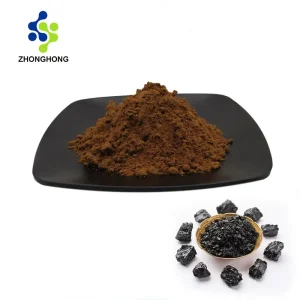
| Appearance | White to off-white powder |
| Solubility | Soluble in methanol, DMSO |
| Grade | Pharmaceutical / Research |
8. COA Table with Pesticides, Heavy Metals & Microbiology
A. Pesticide Residues
| Item | Limit | Test Method |
|---|---|---|
| Organochlorine pesticides | ≤0.1 mg/kg | GC-MS |
| Organophosphorus pesticides | ≤0.5 mg/kg | GC-MS |
| Pyrethroid pesticides | ≤0.2 mg/kg | GC-MS |
| Carbamates | ≤0.5 mg/kg | LC-MS/MS |
| PAHs (Benzo[a]pyrene) | ≤10 ppb | HPLC-FLD |
B. Heavy Metals
| Item | Limit | Test Method |
|---|---|---|
| Lead (Pb) | ≤2.0 ppm | ICP-MS |
| Arsenic (As) | ≤1.0 ppm | ICP-MS |
| Cadmium (Cd) | ≤1.0 ppm | ICP-MS |
| Mercury (Hg) | ≤0.1 ppm | ICP-MS |
| Total Heavy Metals | ≤10 ppm | ICP-OES |
C. Microbiological Tests
| Item | Limit | Test Method |
|---|---|---|
| Total Plate Count | ≤1,000 CFU/g | USP <61> |
| Yeast & Mold | ≤100 CFU/g | USP <61> |
| E. coli | Negative | USP <62> |
| Salmonella | Negative | USP <62> |
| Staphylococcus aureus | Negative | USP <62> |
9. Production Process & Technology
✔ Our GMP Production Technology
-
Raw Material Identification (Catharanthus roseus leaves)
-
Solvent Extraction (water–ethanol selection)
-
Fractionation & Purification
-
Chromatographic Isolation of Vinblastine
-
Crystallization & Concentration
-
Vacuum Drying
-
HPLC Purity Testing
-
Final Sterilization / Micronization (upon request)
-
GMP Packaging & Lot Traceability
Factory Capabilities
-
28+ Years manufacturing
-
Supercritical CO₂ extraction
-
HPLC/UPLC purification
-
ISO9001, HACCP, GMP
-
In-house R&D and pilot production line
10. Applications & Industry Use-Cases
Industries Served
-
Pharmaceuticals
-
Oncology API manufacturers
-
Research institutions
-
Biotechnology companies
-
University laboratories
Application Scenarios
-
Anti-cancer drug production
-
Combination therapy research
-
Oncology innovation pipelines
-
Preclinical & clinical studies
11. Storage & Shelf Life
-
Storage: 2–8°C, keep in sealed containers, protected from light
-
Shelf Life: 24–36 months
-
Packaging: 1g / 5g / 10g / 100g sterile bottles; custom packaging available
12. MOQ, Sample Policy, Shipping
-
MOQ: 1 g
-
Free sample: Available for qualified R&D buyers (supports free sample herbal extract policy)
-
Shipping: FedEx, DHL, air freight with cold-chain option
-
Lead time: 3–5 working days for stock; 10–20 days for custom batches
-
Customized orders: Supports customized herbal extract and special purity requests
13. Certifications & Compliance
-
GMP workshop
-
ISO9001
-
ISO22000 / HACCP
-
COA, MSDS, HPLC chromatogram
-
Traceable batch records
-
Third-party testing (SGS, Eurofins available on request)
14. Why Choose AIHerba® as Your Vinblastine Supplier?
Our Strengths
-
28 years of factory production experience
-
Stable supply chain of Catharanthus roseus
-
Strict quality control (GMP + advanced chromatography)
-
Global project experience with pharma clients
-
Competitive price, fast delivery
-
Trusted manufacturer, verified by global buyers
We support:
-
bulk Vinblastine supply
-
OEM/ODM formulation solutions
-
food-grade botanical extract supplier services for other ingredients
-
dietary supplement raw material manufacturer cooperation (other products)
15. Frequently Asked Questions (FAQ)
1. Can I buy Vinblastine directly from your factory?
Yes. AIHerba® is a GMP-certified manufacturer and supplier, providing bulk API quantities with full documentation.
2. Do you provide MSDS and analytical data?
Absolutely. COA + MSDS + HPLC + stability data are included for each batch.
3. Do you offer a wholesale price for large orders?
Yes. Clients placing large-volume or long-term contracts receive wholesale pricing.
4. What purity grades do you supply?
Standard ≥98% HPLC; custom higher-purity batches available.
5. Can you provide supporting documents for registration?
Yes—DMF-related documents, validation data, and impurity profiles available upon request.
16. Scientific References (PubMed / FDA / NIH)
-
NIH – Vinblastine Drug Information: https://pubchem.ncbi.nlm.nih.gov
-
FDA Label – Vinblastine Sulfate Injection
-
PubMed: “Vinca alkaloids in cancer therapy”
-
NCI – Vinblastine mechanism of action
17. Contact & Verification Information
AIHerba® | Shaanxi Zhonghong Investment Technology Co., Ltd.
GMP-Certified Herbal Extract & API Manufacturer
📧 sales@aiherba.com | info@aiherba.com | liaodaohai@gmail.com
🌐 www.aiherba.com