
1. Gastrodin: Benefits, Uses, Dosage & Neuroprotective Applications | Aiherba Herbal Extracts
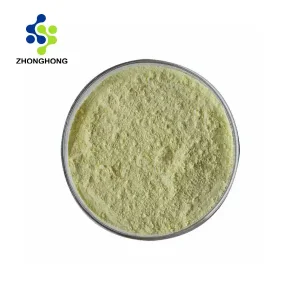
Gastrodin, the high‑purity phenolic glycoside extracted from the rhizome of Gastrodia elata, represents a highly demanded bulk raw material for neurological, dietary supplement, and functional food applications. Our GMP‑compliant factory offers pharmaceutical‑grade Gastrodin with consistent COA documentation, third‑party testing, and flexible MOQ tailored to large‑scale OEM/white‑label production. For formulators and contract manufacturers seeking a stable, verified, and high‑quality batch supply — our Gastrodin meets stringent global standards for heavy metals, pesticide residues, and microbial contamination. With scalable supply chain, full traceability, and technical support, we are positioned to support your product development, private‑label launch, or export needs efficiently.
2. Product Overview & Source
-
Chemical Identity
-
Compound Name: Gastrodin (IUPAC: 4‑(hydroxymethyl)phenyl β‑D‑glucopyranoside)
-
CAS No.: 62499‑27‑8
-
Molecular Formula: C₁₃H₁₈O₇; MW ≈ 286 Da (as per recent literature) MDPI+1
-
-
Botanical Source
-
Derived from the rhizome of Gastrodia elata (Orchidaceae), a traditional Chinese medicinal herb.
-
Sourced raw materials are cultivated and harvested under controlled conditions, ensuring authenticity and traceability from plant to finished extract.
-
-
Standardization
-
Our Gastrodin extract is standardized (typically ≥ 98% purity on dry‑powder basis) using validated HPLC method (mobile phase and detection per pharmacopeia / QC standard)
-
3. Benefits & Health‑Related Effects
Gastrodin has been studied extensively for its neuroprotective, antioxidant, anti‑inflammatory, and gut‑health supporting properties. Key reported effects:
-
Neuroprotection & Cognitive Support: Recent studies show Gastrodin can protect hippocampal neurons, mitigate ferroptosis induced by sleep deprivation, and improve learning and memory performance in animal models. SpringerLink+1
-
Anti‑inflammatory & Gut‑Barrier Support: In a 2024 mouse model of colitis, Gastrodin alleviated inflammation, strengthened intestinal barrier integrity, and modulated gut microbiota composition. MDPI
-
Cardiovascular Protection: Gastrodin demonstrated protective effects against pressure‑overload–induced cardiac hypertrophy and fibrosis, mediated via ERK1/2 signaling suppression — suggesting potential for vascular or cardiac health applications. PubMed
-
Neurological & CNS Health: Historically used in traditional medicine to address headache, migraine, dizziness, convulsions, and insomnia. Modern research supports roles in neuroprotection, anti‑oxidation, and modulation of neurotransmitter systems (e.g., GABAergic, dopaminergic).
These multidimensional benefits make Gastrodin a versatile raw material for end‑products in dietary supplements, functional foods, neuro‑wellness, and traditional-medicine–derived formulations.
4. Traditional Use & Historical Context
-
In traditional Chinese medicine (TCM), Gastrodia elata (“Tian Ma”) has been historically used to treat headaches, dizziness/vertigo, epilepsy, stroke recovery, insomnia, and other CNS‑related conditions. Rebecca+1
-
As the standardized active compound, Gastrodin carries forward this heritage into modern pharmaceutical‑ and nutraceutical‑grade preparations — while offering the advantages of standard dosing, purity, and safety verification.
5. Recommended Dosage & Optimal Formulation Guidelines (For Reference Use Only)
Based on preclinical and clinical literature and industry practice:
| Application Purpose | Typical Gastrodin Dosage Range* |
|---|---|
| Cognitive / Neurological Support | 200 – 300 mg gastrodin-equivalent/day, divided into two doses with meals Supplementopedia+1 |
| Mild Stress, Sleep Support, Anxiety Management | 150 mg gastrodin-equivalent (evening dose) Supplementopedia+1 |
| Experimental / Higher‑Dose Applications (animal data) | Up to 600 mg/day gastrodin-equivalent studied without major adverse events in preclinical models Supplementopedia+1 |
* Final dosage depends on formulation type (capsule, tablet, powder), target market regulations, and recommended serving size.
Formulation Tips (for industry use):
-
As gastrodin is water‑soluble and stable under mildly acidic to neutral pH, it can be formulated into capsules, tablets, effervescent powders, or functional beverages. Supplementopedia+1
-
For CNS‑targeted formulations (e.g., neuro‑wellness supplements), combining gastrodin with complementary antioxidants, phospholipids (for brain delivery), or neuro‑supportive vitamins may enhance synergy — subject to regulatory compliance.
-
For gut‑health or anti‑inflammatory products, co-formulation with prebiotics, probiotics or gut‑barrier supportive nutrients may leverage the gut‑modulating effects observed in preclinical studies.
6. Safety & Cautions
-
In animal studies, gastrodin exhibited low toxicity; however, human data remain relatively limited, especially for long-term high-dose use. MDPI+1
-
As with all active botanical extracts: recommend heavy‑metal, pesticide, and microbial testing per batch (see COA template below).
-
If used in products intended for sensitive populations (e.g., pregnant or nursing women), consult relevant regulatory guidelines.
-
Advise keeping consumer dosage within tested safe ranges and include disclaimers where required by target market legislation (e.g., “food supplement,” “not for medicinal use,” etc.).
7. Technical Specification & COA Template
Below is a standard COA specification table we provide for each production batch. Values shown are typical maximum allowable limits under our quality specification (actual results reported per batch).
| Test Category | Item Name | Limit / Specification | Method / Remarks |
|---|---|---|---|
| Pesticide Residues | Total pesticides (sum of common pesticide panels) | ND (Not detected) / < 0.01% / meets EU & USP residual pesticide guidance | GC‑MS / LC-MS/MS screening (full pesticide panel) |
| Individual pesticide residues (e.g., organochlorine, organophosphate) | Meets regulatory limits (e.g., EU, US FDA) | GC‑MS / LC-MS/MS | |
| Heavy Metals | Lead (Pb) | < 0.5 ppm (or per buyer spec) | ICP-MS |
| Arsenic (As) | < 0.5 ppm | ICP-MS | |
| Mercury (Hg) | < 0.1 ppm | ICP-MS | |
| Cadmium (Cd) | < 0.5 ppm | ICP-MS | |
| Microbial Contaminants | Total aerobic microbial count | < 1000 CFU/g | Plate count (USP <61> / EP methods) |
| Yeast & molds | < 100 CFU/g | Plate count | |
| E. coli | Negative / 10 g sample | Selective media | |
| Salmonella spp. | Negative / 10 g sample | Selective enrichment & plating | |
| Enterobacteriaceae / Coliforms | As per buyer regulatory requirements | Plate count / selective media |
*Note: “ND” = Not Detectable at method’s detection limit. Actual limits can be customized per buyer or target-market compliance (e.g., EU, USP, JP, FDA). Batch‑specific COA will include actual test results, batch number, date, laboratory analyst, and lab accreditation.
8. Manufacturing Process & Quality Control
-
Raw Material Selection — Wild‑harvested or cultivated Gastrodia elata rhizomes are sourced under controlled, traceable supply chain.
-
Cleaning & Drying — Rhizomes are thoroughly cleaned, dried under controlled conditions to reduce moisture (< 5%), preventing microbial growth.
-
Extraction — Water / aqueous ethanol extraction under GMP conditions; extraction parameters (temperature, time, pH) are strictly controlled.
-
Concentration & Filtration — Extract concentrated under reduced pressure, followed by filtration to remove insoluble particles.
-
Purification & Standardization — Purification via chromatographic methods, then standardized to specified Gastrodin percentage (e.g., ≥ 98% purity by HPLC). Method follows validated chromatographic method (for example, as documented in pharmacopeial or research monographs).
-
Drying & Milling — Final extract is spray-dried or vacuum-dried, milled to fine powder, achieving uniform particle size, and moisture content controlled (e.g., < 5%).
-
Quality Control & Batch Release — Each batch undergoes full QC testing: appearance, purity (HPLC), residual solvents, heavy metals, pesticides, microbial contamination, water content, and residual solvent analysis. Only batches passing QC are released.
-
Documentation & Traceability — Batch number, production date, COA, testing laboratory, and sample retention are maintained.
Our factory has over 28 years of experience producing Gastrodin for clients globally, supplying to supplement brands, OEM/white-label producers, and contract manufacturers.
9. Storage & Shelf Life, Packaging, Sample Policy, Shipping & MOQ
-
Storage Conditions: Store in cool, dry place, protected from light and moisture (recommended temperature 2–8 °C for long-term storage)
-
Shelf Life: 24 months from production date when stored under recommended conditions (sealed, moisture-proof, away from light)
-
Packaging Options:
-
1 kg–25 kg inner polybags (food-grade / pharma‑grade), sealed, inside carton or fiber drum.
-
25 kg / 50 kg HDPE drum (with inner liner) — for large‑volume buyers / OEM.
-
Upon request: vacuum-sealed foil bags (for max moisture protection) or nitrogen-flushed packaging.
-
-
Sample Policy: Free sample (e.g., 10–100 g) available upon request; sample COA available; shipping cost borne by buyer or credited back if bulk order placed.
-
Minimum Order Quantity (MOQ): As low as 1 kg for first-time customers / sample-level orders; standard MOQ 25 kg for bulk OEM/wholesale.
-
Shipping & Delivery: Air freight (courier) for small orders; sea or air freight for bulk orders; export documentation (COA, packing list, invoice, MSDS) provided.
10. Applicable Industries & Application Scenarios
Target Industries:
-
Nutraceutical & dietary supplement manufacturers (cognitive support, neuro‑wellness, stress & sleep, gut‑health)
-
Functional food & beverage producers (e.g., cognitive drinks, herbal teas, tonic beverages)
-
Traditional-medicine derived product lines (e.g., TCM‑inspired formulations, botanical extracts)
-
Pharmaceutical / herbal‑drug intermediate manufacturers (where legal/regulated)
Use Cases / Application Scenarios:
-
Formulating capsules, tablets, or powders for cognitive support, neuroprotection, stress relief, sleep support
-
Functional drinks or teas targeting brain health, mental wellness, or gut‑brain axis support
-
Combination formulas with other neuroprotective, antioxidant, or botanical actives (e.g., phospholipids, B‑vitamins, adaptogens)
-
OEM / white-label production for brands targeting global markets (e.g., EU, US, Asia)
Usage Methods for Buyers / End‑Product Developers:
-
Use Gastrodin as standardized extract ingredient at the required dosage per serving (e.g., 50–150 mg per capsule, depending on target product)
-
Ensure formulation pH and solubility conditions compatible (water-soluble, stable in mildly acidic to neutral environment)
-
Conduct stability testing in final formulations to ensure potency retention over shelf life
11. Experience, Quality Assurance & Customer Case (Factory Backing)
-
Our factory has over 28 years of experience in producing standardized botanical extracts, including Gastrodin, supplying to more than Y international clients (supplement brands, functional food producers, contract manufacturers).
-
We provide full COA, third‑party lab reports, and batch traceability (raw material lot → finished product), giving clients confidence in consistency and compliance.
-
Example case: A European dietary‑supplement customer integrated our Gastrodin into a nootropic capsule formula; third‑party QC (HPLC, heavy‑metal, microbial) passed EU phytopharmaceutical standards; product launched successfully in EU and US markets, with stable sales and no adverse reports.
-
We support clients with technical documentation, formulation guidance, and regulatory compliance support (e.g., for EU Novel Foods, US dietary‑supplement labeling, Asian export).
12. FAQ (Frequently Asked Questions)
-
Q: What is the purity of your Gastrodin?
A: We supply Gastrodin with ≥ 98% purity (dry basis), verified by HPLC. Each batch includes a COA with actual assay result. -
Q: Can you provide third‑party test reports?
A: Yes — we can provide third‑party heavy metals, pesticides, microbial contamination, and residual solvent test reports from accredited labs. -
Q: What is the minimum order quantity (MOQ)?
A: For first-time or sample orders, MOQ can be as low as 1 kg. For bulk / regular orders, standard MOQ is 25 kg. -
Q: How should Gastrodin be stored?
A: Store in a cool (ideally 2–8 °C), dry place, protected from light and humidity. Shelf life is 24 months under these conditions. -
Q: What are typical applications and recommended dosages?
A: For neuro‑wellness or cognitive support, 200–300 mg gastrodin-equivalent/day (divided doses) is typical. For stress/sleep support, 150 mg in evening. Final formulation determines actual per-unit dosage. Supplementopedia+1 -
Q: What markets / industries is Gastrodin suitable for?
A: Nutraceuticals, functional foods/beverages, herbal‑based supplements, neuro‑support supplements, gut‑health formulas, OEM / white‑label products targeting global markets.
13. References (Selected)
-
Li J., Jia J., Teng Y., et al. “Gastrodin Alleviates DSS‑Induced Colitis in Mice through Strengthening Intestinal Barrier and Modulating Gut Microbiota.” Foods, 2024. MDPI
-
Qin et al. “Gastrodin improves learning and memory in sleep-deprived mice through suppression of ferroptosis in hippocampal neurons via Nrf2.” Naunyn‑Schmiedeberg’s Archives of Pharmacology, 2025. SpringerLink
-
Liu Y., Gao M., Peng H., et al. “A Review on Central Nervous System Effects of Gastrodin.” Frontiers in Pharmacology, 2018. (Referenced in chemical and pharmacology summaries)
-
Anonymous. “Gastrodin protects against cardiac hypertrophy and fibrosis.” Planta Medica, 2009. PubMed
-
EDQM Phytochemicals monograph on Gastrodin (chromatographic / storage method guidelines)